Oregon’s Greatest Environmental Advocate
Bob Sallinger ’91
October 30, 2024, in Portland, Oregon.
Conservationist, activist, and animal lover Bob Sallinger ’91 passed away unexpectedly at the age of 57. He was undeniably Oregon’s most impactful environmental advocate. “Without question. It might be an understatement,” says Bob’s friend and colleague Neal Schulman ’92.
Bob had a 30-year career at the Bird Alliance Oregon (formerly the Portland Audubon Society). Recently, he had started a new chapter as the conservation director, and then executive director, of Willamette Riverkeeper. Still passionate about protecting birds, he also founded Bird Conservation Oregon, which continues his work.
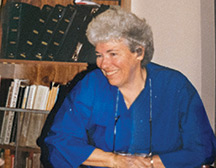
At Reed, Bob majored in biology, writing his thesis under Professor Helen Stafford [biology 1954–87]. He, along with Neal, led backpacking trips during Orientation Week. During one in 1989, he met Elisabeth Neely ’94. They dated during their years at Reed, then enjoyed a long marriage, remaining together for 35 years.
After graduating from Reed, Bob worked at a veterinary clinic on East Burnside Street. One day, he contacted the Audubon Society to inquire about care for an injured falcon that had been brought into the clinic. This led him to Audubon’s Wildlife Care Center, where he quickly realized he was meant to be.
Starting as the temporary, part-time assistant in charge of cleaning animal cages, Bob eventually became the organization’s conservation director—and sometimes got so busy he’d sleep in his 1979 Volkswagen bus. Once at Audubon, he never looked back, taking on increasingly influential roles in wildlife protection.
Among his scores of accomplishments, Bob worked collaboratively to protect the Malheur National Wildlife Refuge, the Elliott State Forest, and West Hayden Island. He also pressured Ross Island Sand and Gravel Company to restore Ross Island, advocated for the protection of Portland’s tree canopy, and spearheaded the passage of Oregon’s “Beaver Bill,” a 2023 law changing the keystone species’ classification from “predator” to “furbearer,” adding protections to their habitat.
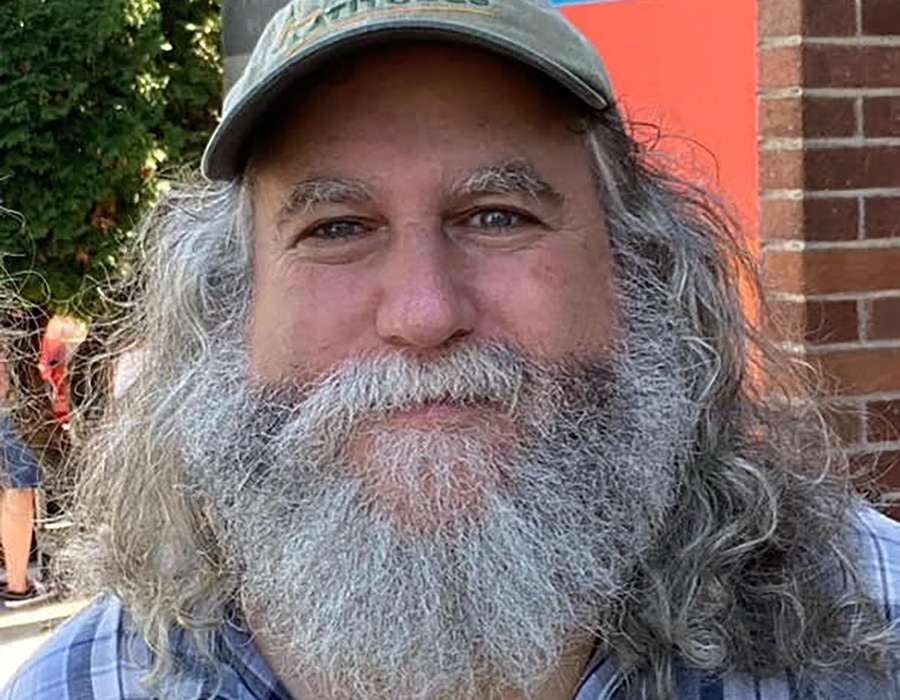
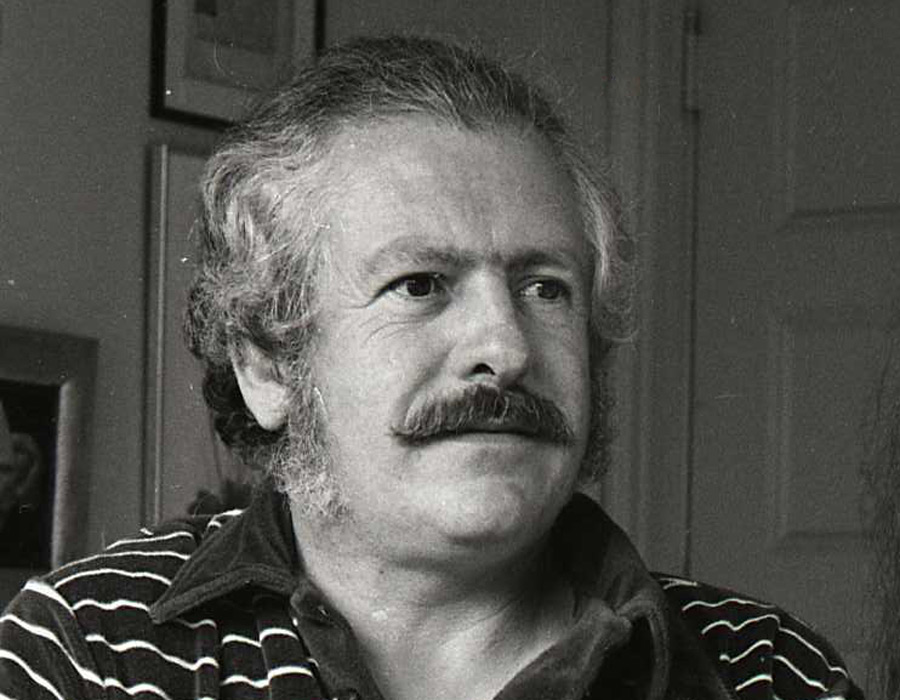
Bob had an insatiable work ethic, frequently working between 60 and 80 hours a week. He often drove his bus overnight, journeying to far-flung parts of Oregon to testify in front of government and regulatory boards, or to meet with ranchers, conservationists, and community members. Bob showed up at those meetings wearing plaid shirts and baseball caps that somewhat tamed his shock of long, curly hair, which complimented an equally bushy beard.
“It’s one thing to understand how to get conservation done…and another to inspire people,” Neal says. He attributes Bob’s successes to a “phenomenal depth and breadth of knowledge,” a dry sense of humor, and a clear focus on what mattered most to him: “animals and people come first.”
In 2007, Bob earned a law degree from Lewis & Clark Law School—not to become a lawyer, but to better understand environmental law. His knowledge and dedication enabled him to cite dense regulatory and legal texts by page number and line.
Unlike many activists, Bob was willing to find common ground with those he disagreed with. “One of his most astounding qualities is that he treated everyone with respect,” Xander Patterson ’86, a close friend and former colleague, remembers. “Even people whose positions on one level he loathed, he treated with respect. He negotiated when he could and sued when he had to. He was incredibly practical.”
Bob’s open-mindedness and collaboration led him to help found the Portland Urban Coyote Project, which tracks sightings of coyotes in Portland. The group works with the Feral Cat Coalition of Oregon, advancing public policy and other efforts—including the popular annual Catio Tour—to reduce the feral cat population, thus protecting birds and wildlife. “Bob’s novel idea to bring cat and bird advocates together was not only visionary but remains unique today,” the Feral Cat Coalition of Oregon wrote on its Facebook page.
Accolades from every corner of Oregon filled social media at the announcement of Bob’s passing. “The passing of Bob Sallinger is a loss beyond measure,” wrote Senator Jeff Merkley. He hailed Bob as “a trusted voice” whose achievements were the result of “tireless hard work, grit, collaboration, and compromise.”
At a celebration of life that packed Lola’s Room inside the Crystal Ballroom, Bob was remembered for loving frou-frou drinks with little umbrellas, excessively long road trips, black-and-white photographs, Woody Guthrie, and the Muppets. Attendees sang “The Rainbow Connection.”
Bob is survived by his wife, Elisabeth, and three children. —Amanda Waldroupe ’07
Appeared in Reed magazine: Spring 2025
comments powered by DisqusThe Lives they Led




Henry Franzoni III ’78
Visionary Drummer, Advocate for Tribal Fisheries, and Recognized Authority on Bigfoot









Robert Greenberg ’56
Beloved Husband, Devoted Father, Treasured Grandfather, and Venerated Professor