Dedicated Anthropologist, Systems Engineer, and Passionate Traveler
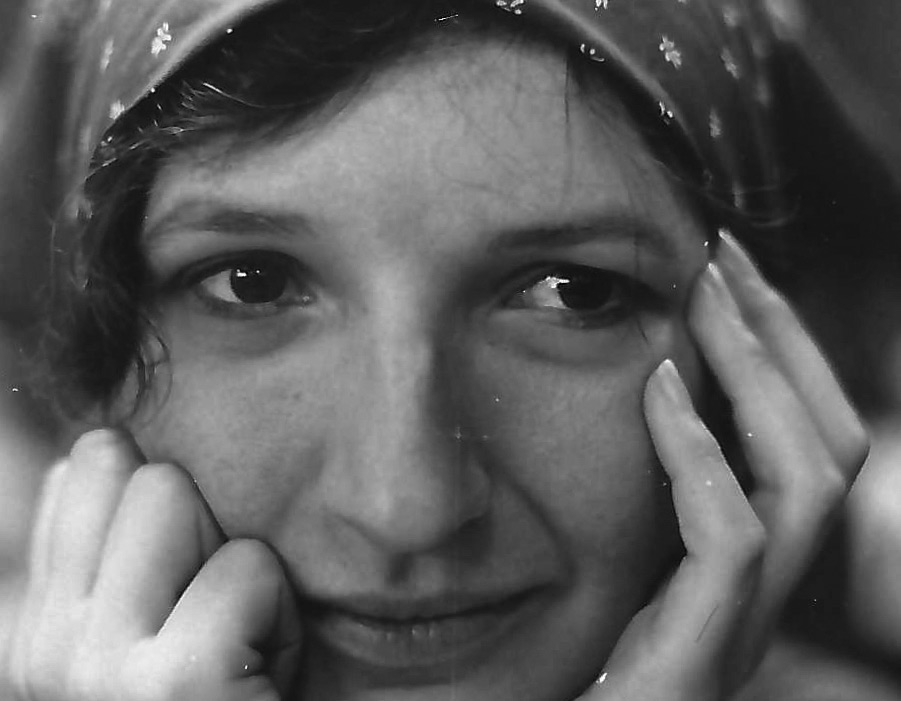
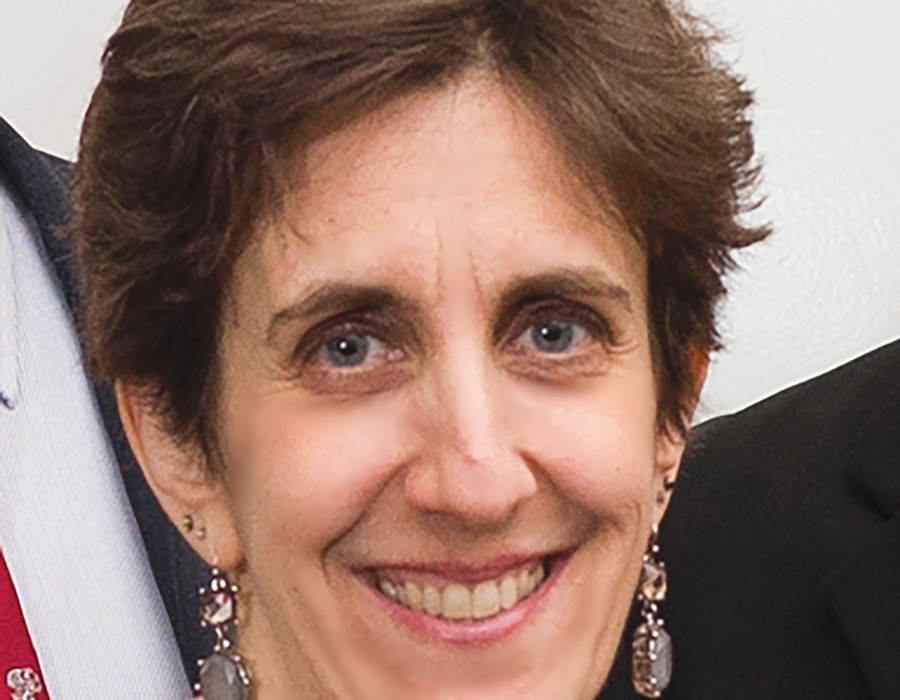
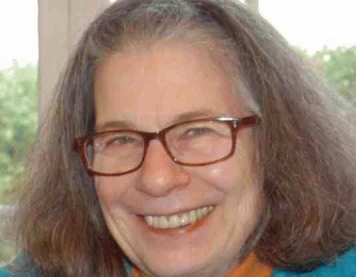
Leslie Lischka ’64
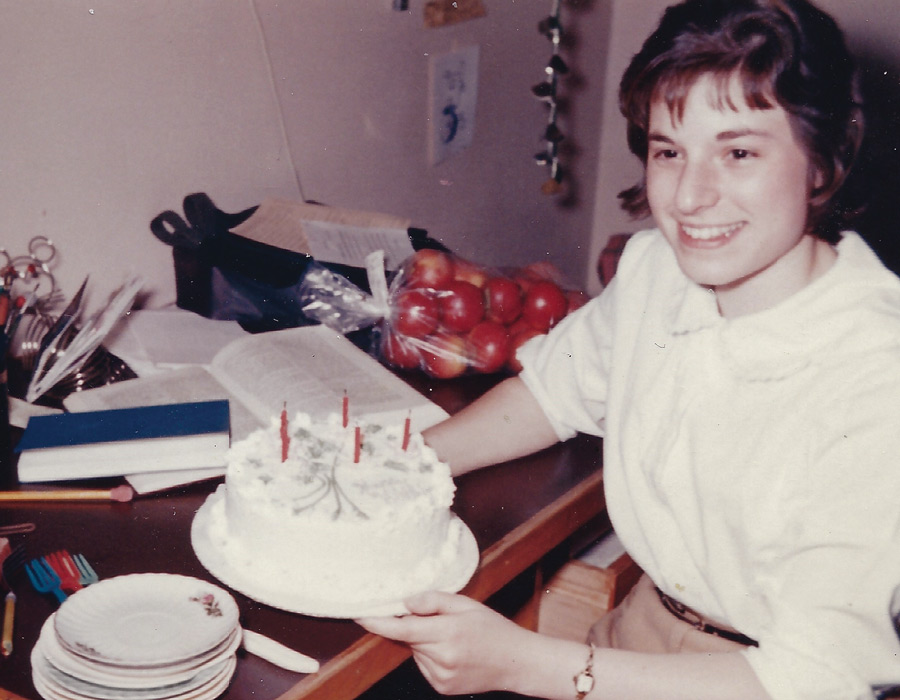
March 28, 2021, from complications from ALS and dementia.
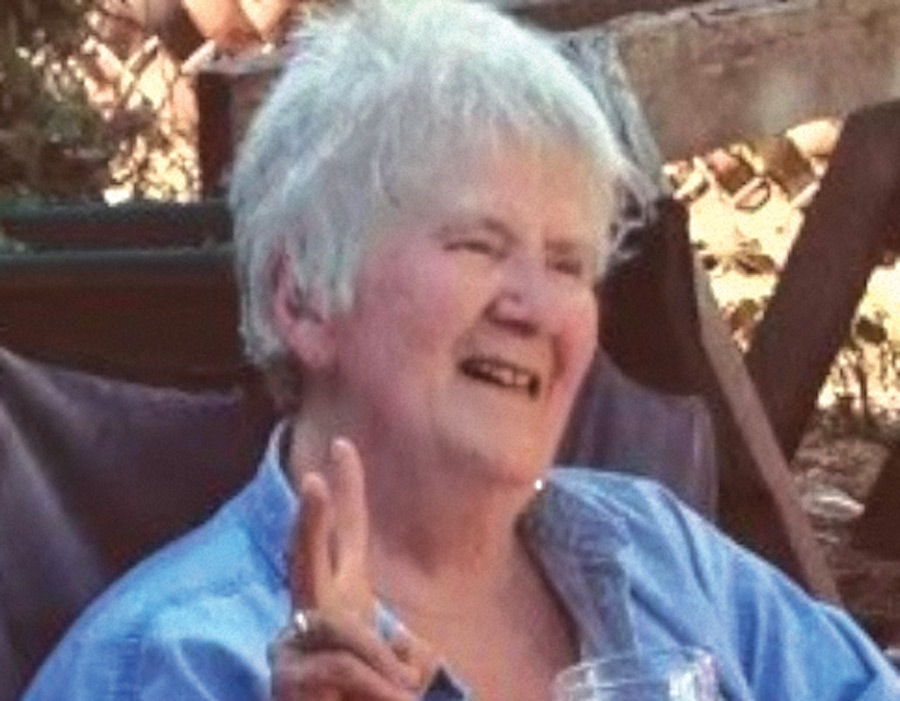
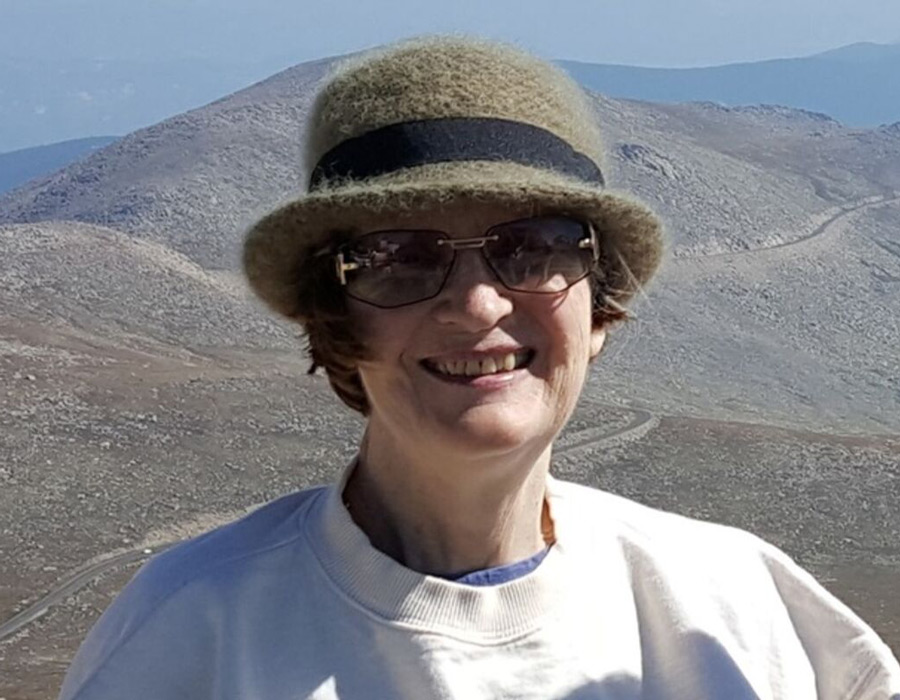
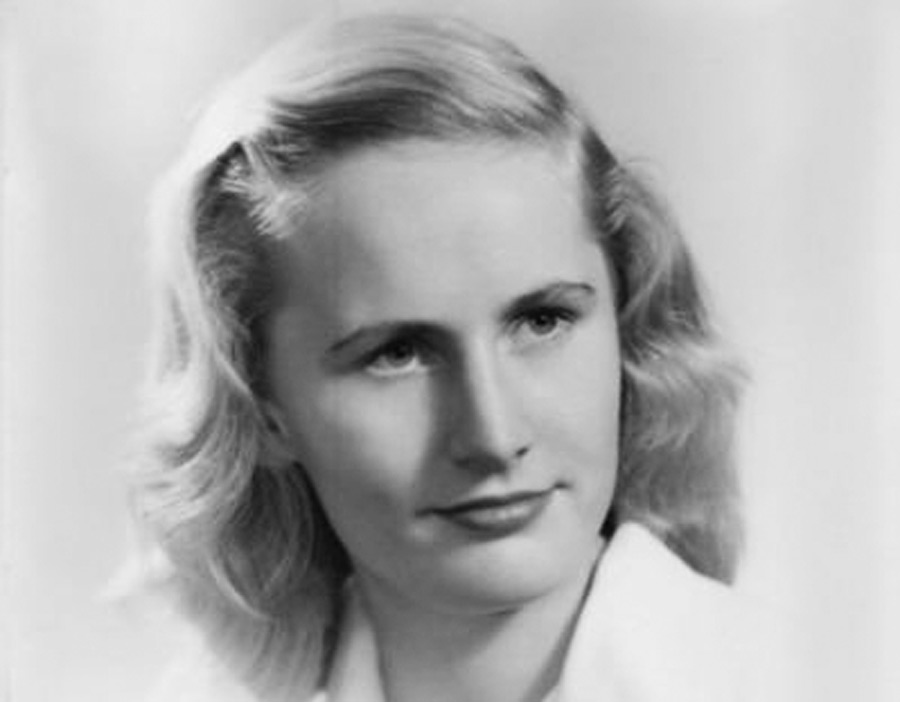
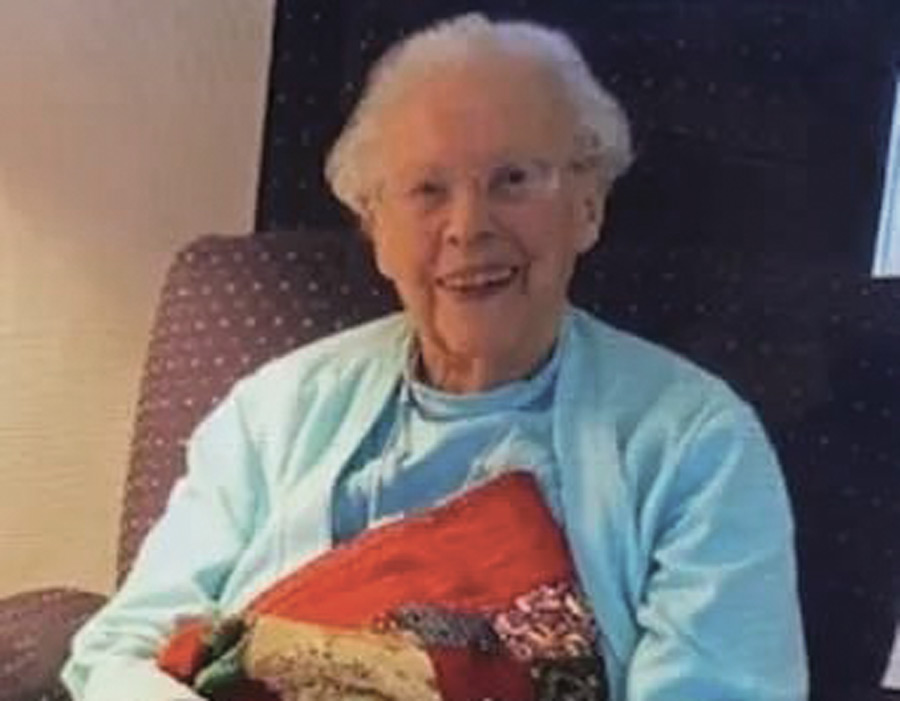
Leslie (Lavine) Lischka was a dedicated anthropologist, a systems engineer, and a passionate traveler. Born in 1942 in Philadelphia, Leslie was the eldest of three children and spent her childhood in Chevy Chase, Maryland, where she graduated from Bethesda–Chevy Chase High School.
Leslie’s academic journey began at Reed College, where she earned her bachelor’s degree in math and physics. Her early career saw her working for Digital Equipment Corporation, specializing in assembly language programming. However, Leslie’s passion for anthropology led her to pursue further studies, culminating in a master’s and PhD from the University of Arizona.
In 1967, Leslie married fellow graduate student Joseph Lischka in Tucson, Arizona. Together, they did anthropological fieldwork in Israel (at Tabun Cave, south of Haifa), El Salvador (at the Chalchuapa Archaeological Zone), and at the highland Maya site of Kaminaljuyu in Guatemala City. Their daughter, Tamara Lischka ’92, was born while they were living in Guatemala.
Leslie and Joseph parted ways in 1974. After receiving her doctorate, Leslie spent a year as an assistant professor of anthropology at Colorado State University. She later transitioned into a successful career as a systems engineer, contributing her expertise to companies such as Martin Marietta and GTE.
Beyond her early anthropological fieldwork, Leslie explored the diverse landscapes of New Zealand and Australia, often with her daughter by her side. During her retirement, she ventured to Tanzania, Malaysia, Mongolia, and Bhutan, continuing to seek out new experiences and cultures. An avid outdoorswoman, Leslie found joy in hiking, backpacking, and cross-country skiing.
In the 1990s, Leslie returned to Portland to be closer to her family and became an active member of several communities. She was deeply involved in Reed alumni activities, and also played a significant role in the Immigrant and Refugee Community Organization (IRCO), where she offered not just practical assistance, but meaningful friendships to numerous immigrant families in Portland.
Leslie’s bond with the Wachana family was particularly special. Josephine Wachana, who affectionately referred to Leslie as her “American mom,” recalls the unwavering support Leslie provided, from teaching family members to navigate the complexities of driving in the U.S. to helping read and edit applications for graduate programs and jobs. Leslie’s guidance and care left a lasting impact on the Wachana family and many others in the community.
Leslie is survived by her daughter, Tamara. —Contributed by Tamara Lischka
Appeared in Reed magazine: Winter 2024
comments powered by DisqusThe Lives they Led
Henry Franzoni III ’78
Visionary Drummer, Advocate for Tribal Fisheries, and Recognized Authority on Bigfoot
Robert Greenberg ’56
Beloved Husband, Devoted Father, Treasured Grandfather, and Venerated Professor