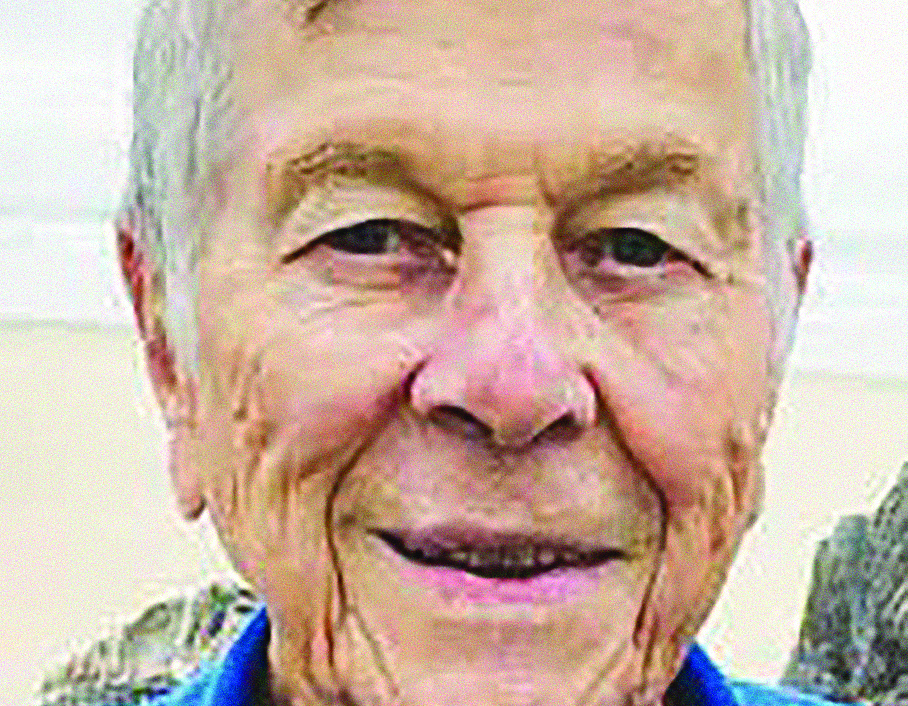
Soldier, Scholar, Purveyor of Joy
Moshe Lenske ’50
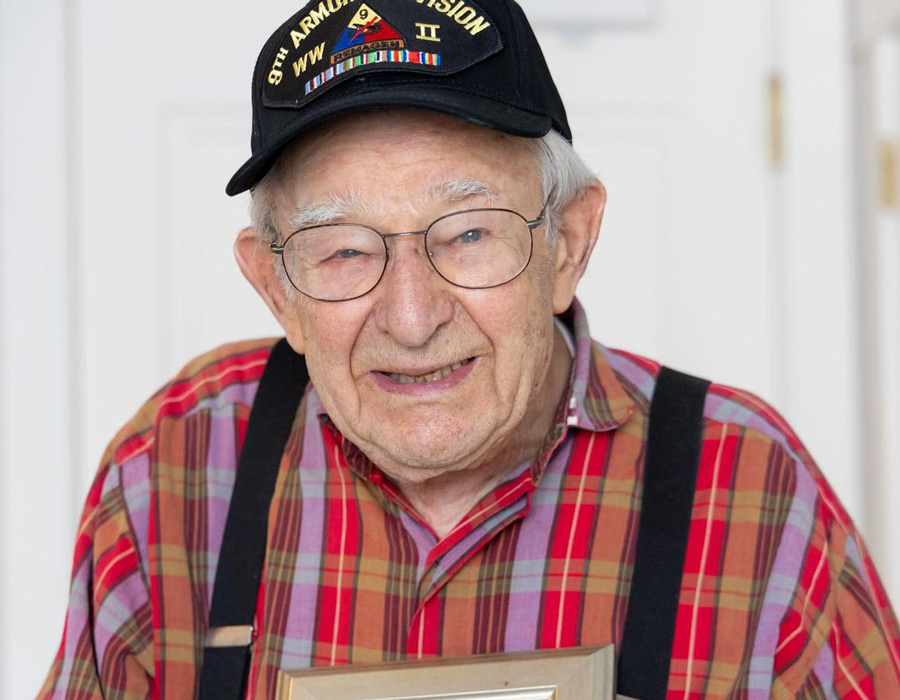
July 25, 2024, in Portland, Oregon, of complications from COVID-19.
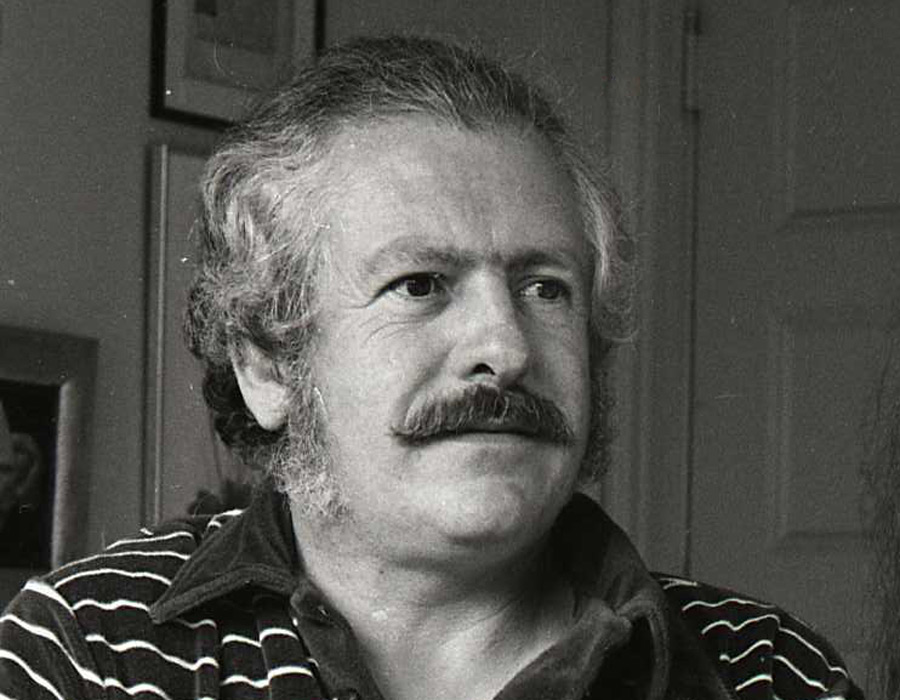
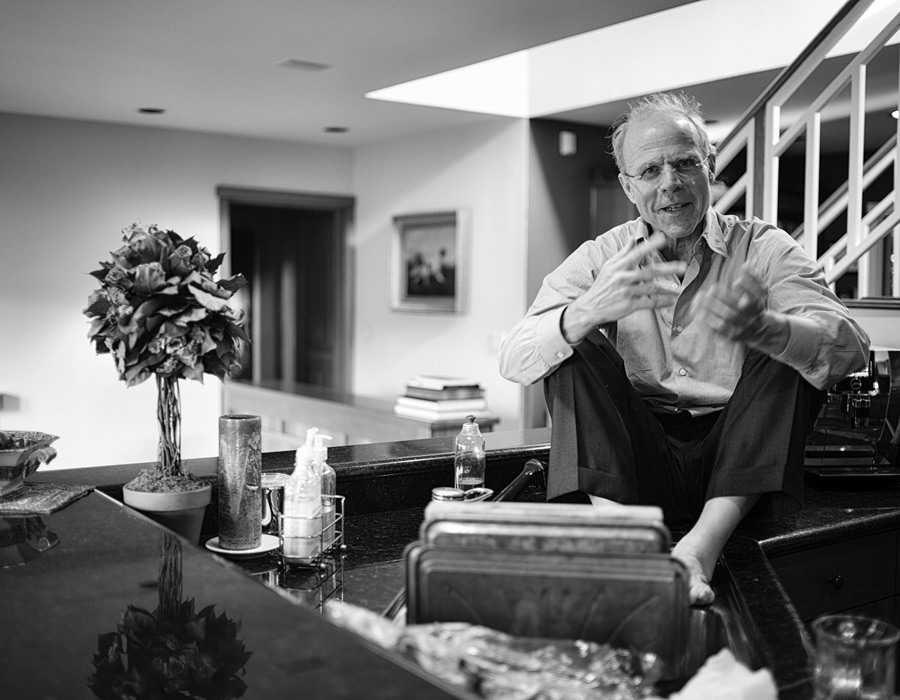
In the final years of World War II, hundreds of thousands of Allied troops joined forces to liberate Europe. Among them was Moshe Lenske, whose service was just one chapter in an extraordinary life that impacted Reed, Portland, and the world.
Reedies revered Moshe for his ability to build and sustain communities. “He was like a heat-seeking missile,” says John Sheehy ’82. “He said, ‘We are social animals, and it is almost expected that we would be community minded.’ That was his ethos in life.”
Moshe Doav Lenske was born April 11, 1925, in Portland, Oregon, to Rose Mirviss Lenske and Reuben Lenske. A civil rights lawyer, real estate magnate, and millionaire, Reuben refused to be defined by a single role in life. Moshe—who became a steadfast serviceman, an exuberant Reedie, and a whimsical manufacturer of giant Easter bunnies—proved to be as complex and charismatic as his father.
Moshe, who was the brother of Judy Temko and Aryay Lenske Kalaki, attended Duniway School and Lincoln High. At 19, he was drafted into the U.S. army and assigned to the 9th Armored Medical Division, which held off a German division at the Battle of the Bulge in 1945—a victory that earned Moshe a presidential citation for valor.
After surviving 91 days of battle—and being deployed to Normandy, two months after D-Day—Moshe returned to Portland and enrolled at Reed. He joined a student body filled with fellow veterans, who brought their hard-won life experience to campus.
In Moshe’s recollection, Reed professors treated veterans with unusual deference. “The GIs had seen what life and living was like close up,” Moshe recalled in Comrades of the Quest. “When Prof. Frank Jones [English 1949–56] gave a humanities lecture in the chapel, the following week one of the student vets was allowed to give a rebuttal on the same subject: ‘Hell, no!’”
Moshe co-founded the Reed Union Debating Society and formed friendships with Beat poets Gary Snyder ’51, Phil Whalen ’51, and Lew Welch ’50. “They were all older students at Reed,” says Kathy Saitas, who became close with Moshe. “Before they came to Reed, they all served in World War II, and then they all came to Reed on the GI Bill—and they really bonded over that.”
Through Moshe chose not to write a thesis, he later received an honorary degree and remained a vital part of the Reed community, serving on the alumni board in multiple capacities (he was president from 1979 to 1980) and winning the Babson Society Outstanding Volunteer Award.
While working as a journalist in Israel, Moshe met and married Hilda Gabriel. In Portland, their house became a place of comfort and joy for Jewish students at Reed living far from home. “They seemed to go out of their way to offer a home away from home,” says Paul Levy ’72. “They included us in social activities and generally made things easier at a time when making a long-distance telephone call was not easy and there was no email.”
Moshe and Hilda were partners in both life and business. They managed the Western Toy Manufacturing Company, which designed and produced over 50 stuffed animals, including a 14-foot rabbit. “We make a lot of teddy bears, although we’re quite proud of our Oregon beaver, too,” Moshe told The Oregonian in 1977.
Stuffed animals were serious business to Moshe—and so was political activism. Paul Levy first met Moshe during the 1968 campaign to reelect Senator Wayne Morse, an independent who opposed the Vietnam War.
“[Moshe] cared about political issues,” Paul says. “He was a liberal, a term which has been in some disrepute over the years, but I think he was proud of it, and so am I.” Whether he was serving as a member of the City Club of Portland or sitting on the board of Wayne Morse Historical Park, Moshe’s commitment to civic engagement endured.
In 1986, Moshe’s mother Rose passed away. Twelve years later, Moshe’s father Reuben, then 99 years old, married his secretary, 73-year-old Shirley Leveton. When they tied the knot, Moshe stood and called out, “I object to this wedding,” much to the surprise of the officiating rabbi.
After Hilda’s death in 2003, Moshe lived in Eugene with his partner, Meredith Burch, who passed away in 2019. From 2021 to 2024, Moshe lived at Cedar Sinai Park, but made two trips to Normandy, first in 2023 for the 79th anniversary of D-Day. “He loved the camaraderie, all those guys in the wheelchairs,” John Sheehy remembers.
Moshe returned for the 80th anniversary. He and his fellow veterans were flown first-class and honored by President Joe Biden and King Charles III, but Moshe approached the journey humbly, buying a new shirt and a pair of slacks at Bi-Mart in preparation.
“He just needed new clothes,” says Kathy Saitas, who became close with Moshe. “They didn’t need to be fancy. He was so proud to be alive and to be able to go back to Normandy and honor those who couldn’t be there. It was the most important thing for him.” It would be the last time Moshe traveled to Normandy. He returned to Portland with COVID-19 and shingles, dying at age 99.
Moshe is survived by his sister, Judy, and his brother, Aryay. He was best known as a World War II veteran, but he was a hero throughout his life, staying true to his love of community and his zest for life. Kathy Saitas lovingly remembers the persistence of Moshe’s vibrant spirit: “He would say, ‘Kathy, it’s not when I go. It’s if I go.’”
Appeared in Reed magazine: Winter 2024
comments powered by DisqusThe Lives they Led

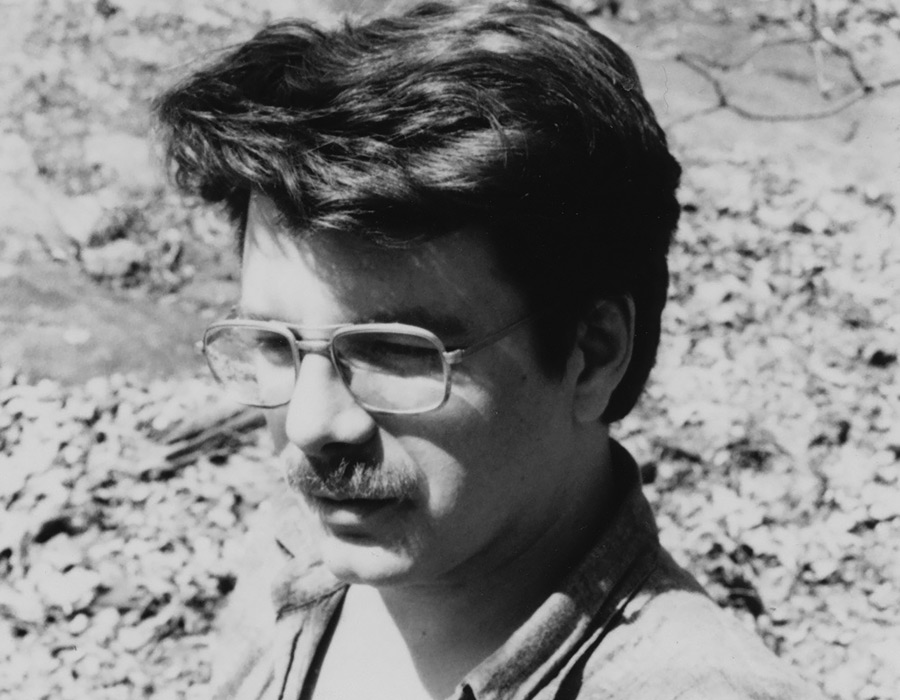
Henry Franzoni III ’78
Visionary Drummer, Advocate for Tribal Fisheries, and Recognized Authority on Bigfoot
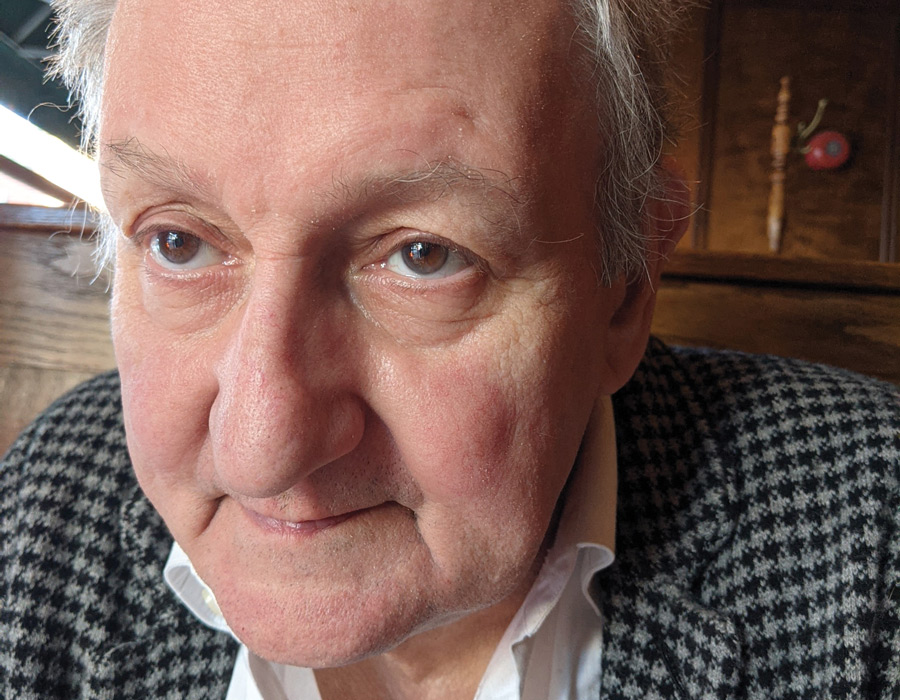
Robert Greenberg ’56
Beloved Husband, Devoted Father, Treasured Grandfather, and Venerated Professor