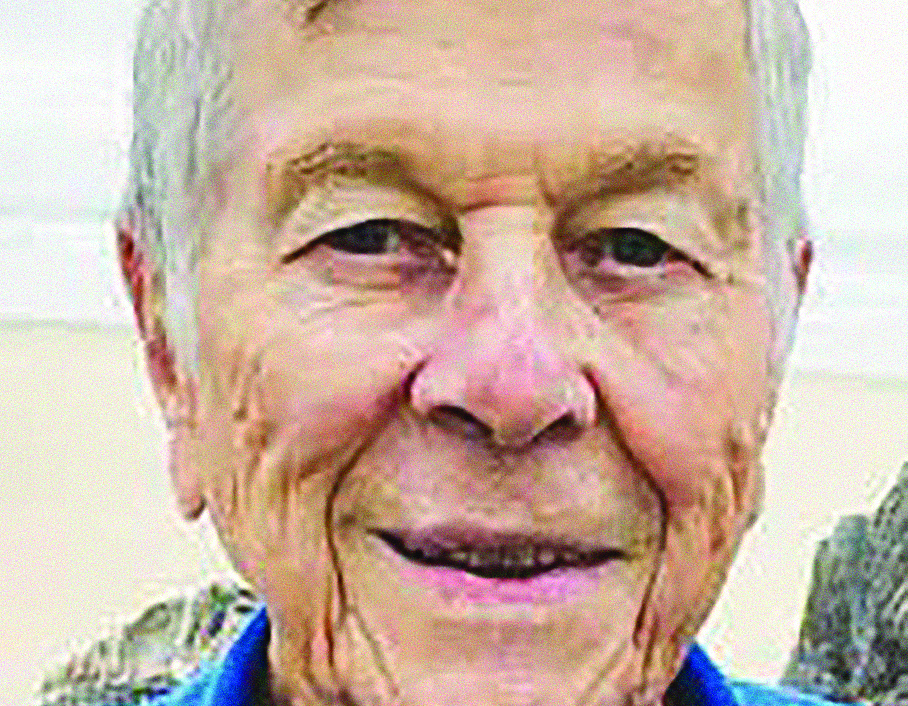
Psychologist and Researcher Known for His Involvement With the Kerner Commission
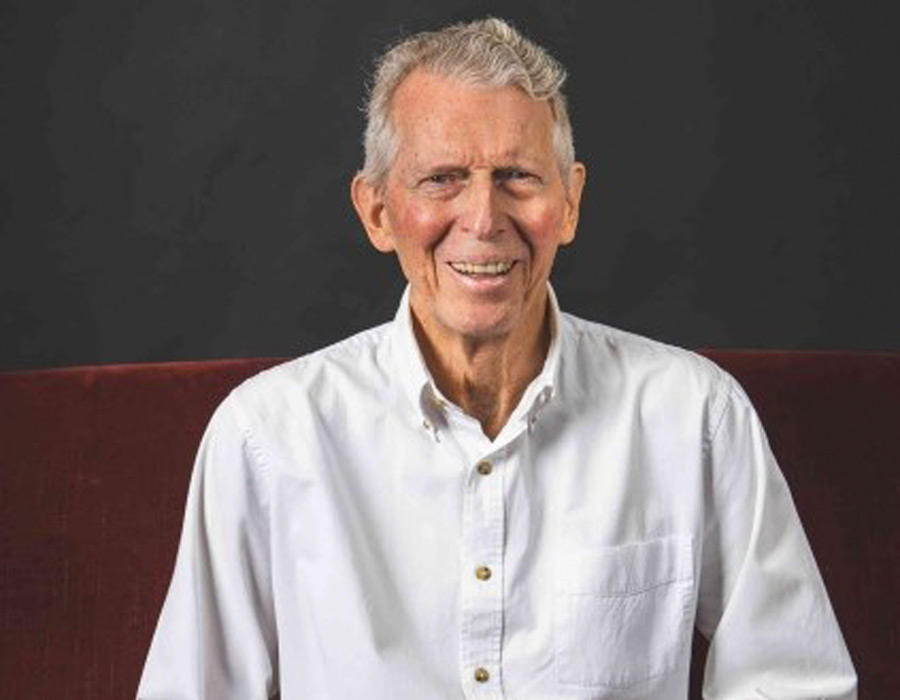
Robert Shellow ’51
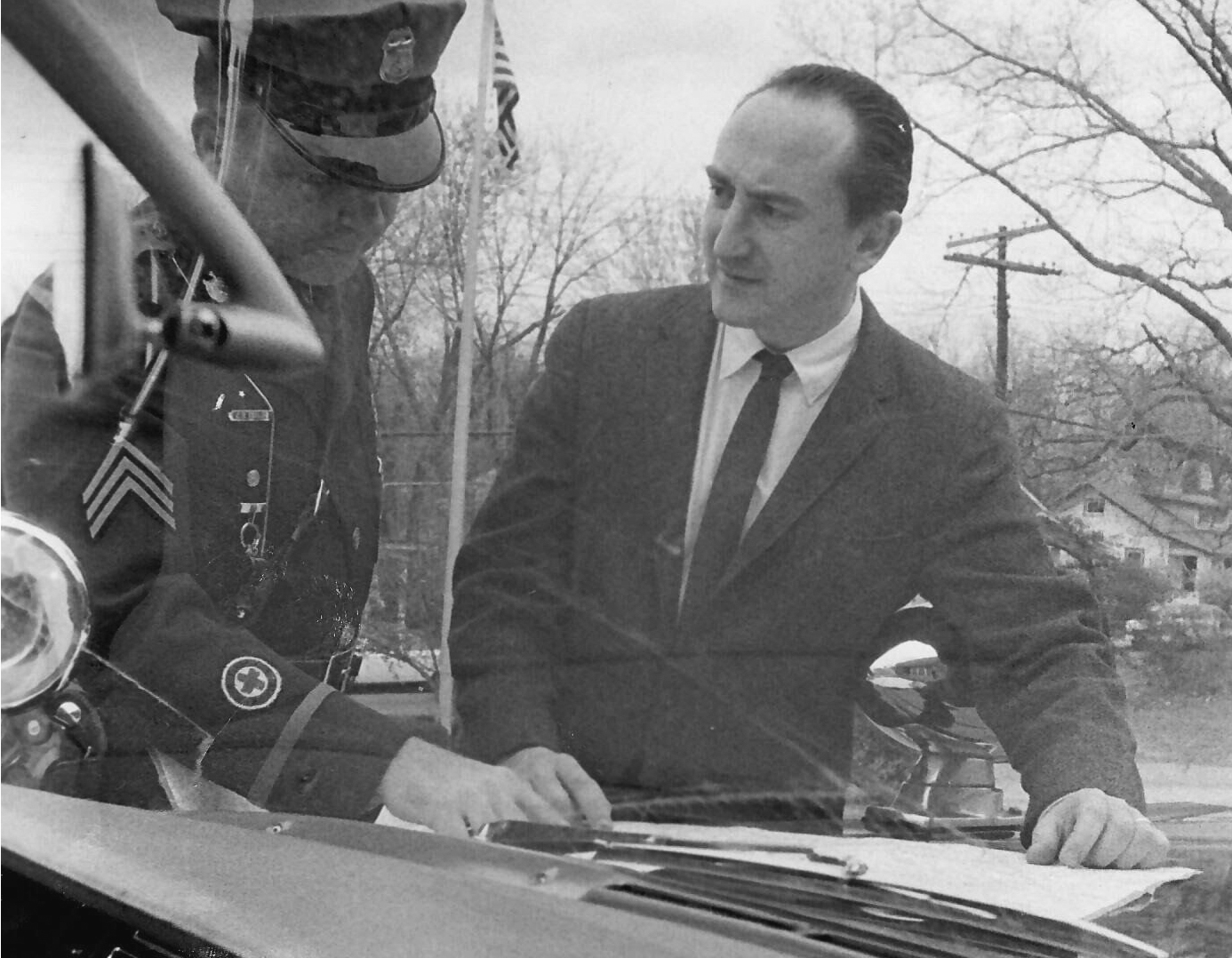
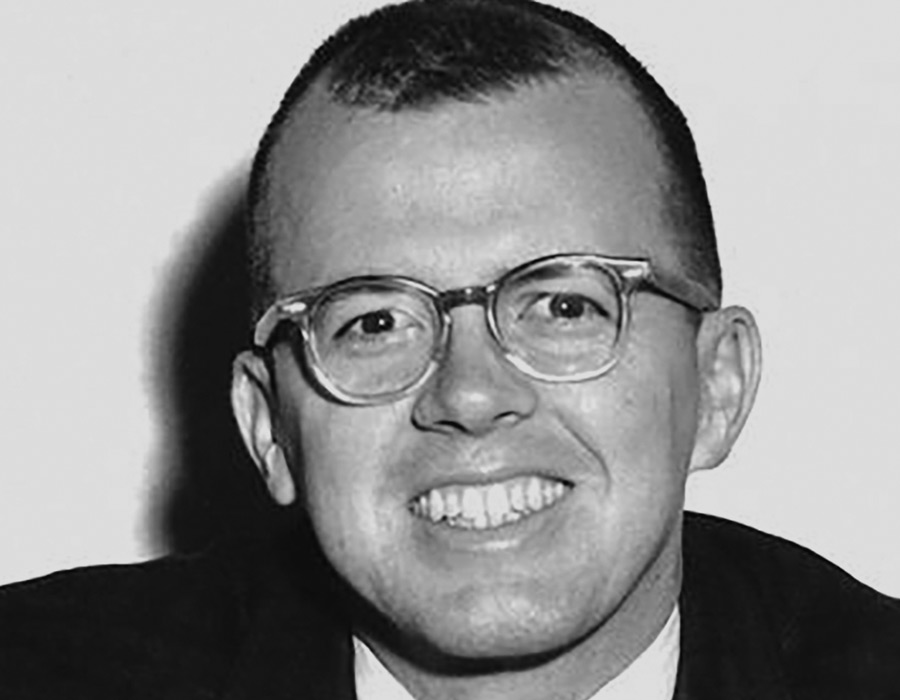
Robert Shellow was director of the Pilot District Project in Washington, DC, 1968.
January 29, 2025, in Baltimore, Maryland, of complications from Parkinson’s Disease.
A distinguished psychologist, researcher, and consultant, Dr. Robert Shellow was best known for his involvement with the Kerner Commission, which studied the causes of the 1967 race riots. Titled The Harvest of American Racism, the commission’s report challenged the claim that the disturbances were instigated by apolitical Black men—and questioned the use of the term “riots” altogether.
Rob was born in 1929 in Milwaukee, Wisconsin. At Reed, he studied psychology, writing his thesis, “Intersensory Phenomena: The Effects of Auditory Stimulation on Visual Acuity,” under Professor Frederick Courts [psychology 1945–69]. Though Rob sometimes felt out of place on campus, he bonded with Professor Stanley Moore [philosophy 1948–54] and worked alongside Gary Snyder ’51 at The Associated Press and The Oregonian.
In 1955, Rob joined the Commissioned Corps of the United States Public Health Service, then advanced through the grades to Commander and worked with the Bureau of Prisons. Spurred by his interest in social science, he ultimately took a position at the NIMH Mental Health Study Center, where he participated in research on suburban runaways of the 1960s.
Rob’s career spanned government service, academia, and private consulting—an eclectic path that included a pivotal dinner at the White House. There, he was offered the position of deputy director of research for the Kerner Commission, which was headed by Illinois Governor Otto Kerner Jr. and convened by President Lyndon B. Johnson.
“It was a pretty heavy experience, being invited by members of the White House, and they were turning their attention to me,” Rob told Reed Magazine in 2019. “I said eventually, ‘But why me?’” Though his expertise in the sociology of policing and police-community relations made him eminently qualified, he would later learn that several other social scientists had declined the job, fearing that the report’s findings would be whitewashed. “I was naïve,” Rob later admitted.
Unfortunately for Rob, the fears of the aforementioned social scientists were confirmed when the commission’s executive director, David Ginsburg, dismissed a draft of the report as “politically explosive” and fired Rob’s staff. “I thought, ‘Well, what the hell do they want?’” Rob said. “‘We did what we were supposed to do.’”
When the Kerner Commission released its report in 1968, Rob and his team’s analysis of the disturbances as a response to racism in America was absent. He moved on, teaching classes on juvenile justice and criminal behavior as a professor at Carnegie Mellon and founding his own security consulting firm, the International Management Analysis and Resources Corporation.
In 2014, the Kerner Report attracted fresh attention when the killing of Michael Brown, an 18-year-old Black man, by a white police officer led to protests in Ferguson, Missouri. Four years later, the Kerner Report was finally published by the University of Michigan Press in its entirety, with added recollections from Rob and his colleagues.
“I think without Reed College I probably wouldn’t have followed this trajectory,” Rob told Reed Magazine in 2019. “[Reed] kind of tells you, ‘You can do that and risk things.’”
A brilliant yet humble thinker, Rob was known for his insights, confidence, and wit, seeking truth through balance and diplomacy in divisive times. He is survived by his wife, Dorothea, and his daughters, Sarah and Leslie.
Appeared in Reed magazine: March 2018
comments powered by DisqusThe Lives they Led

Henry Franzoni III ’78
Visionary Drummer, Advocate for Tribal Fisheries, and Recognized Authority on Bigfoot

Robert Greenberg ’56
Beloved Husband, Devoted Father, Treasured Grandfather, and Venerated Professor