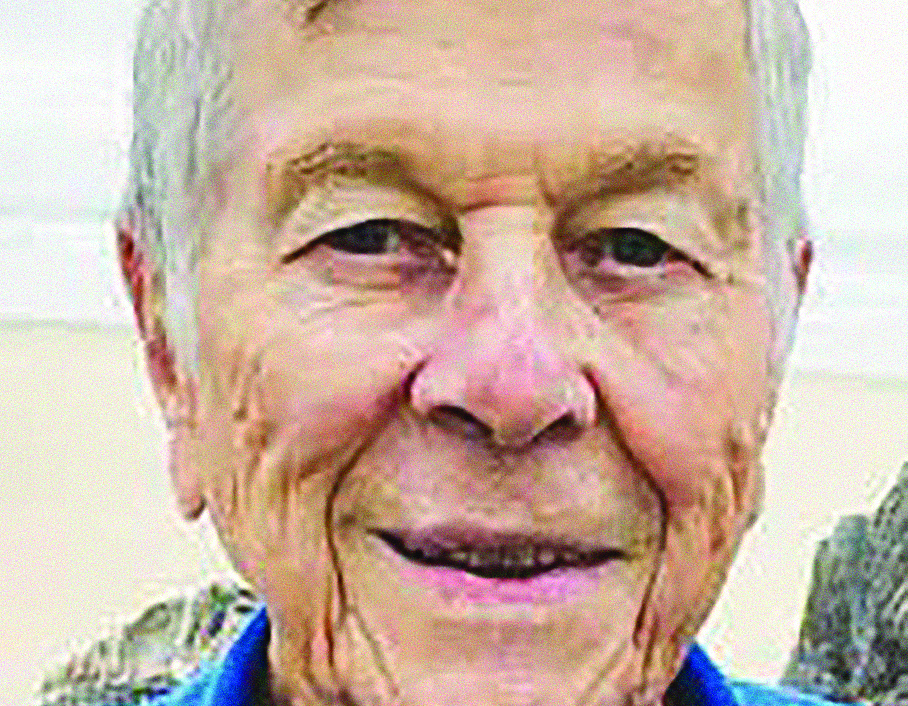
Field-Changing Contributor to Demography and Population Studies
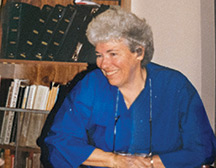
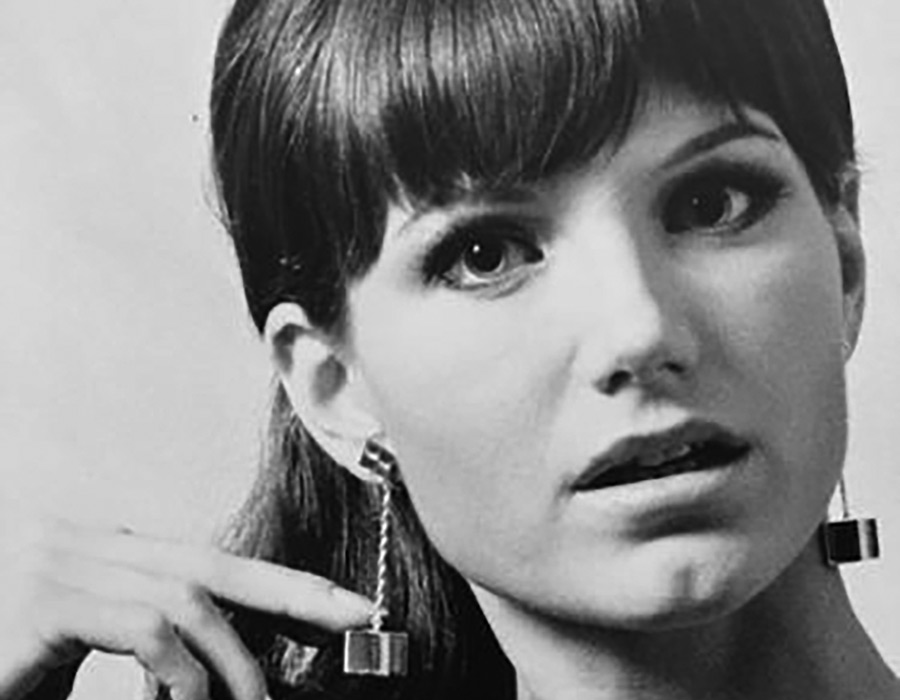
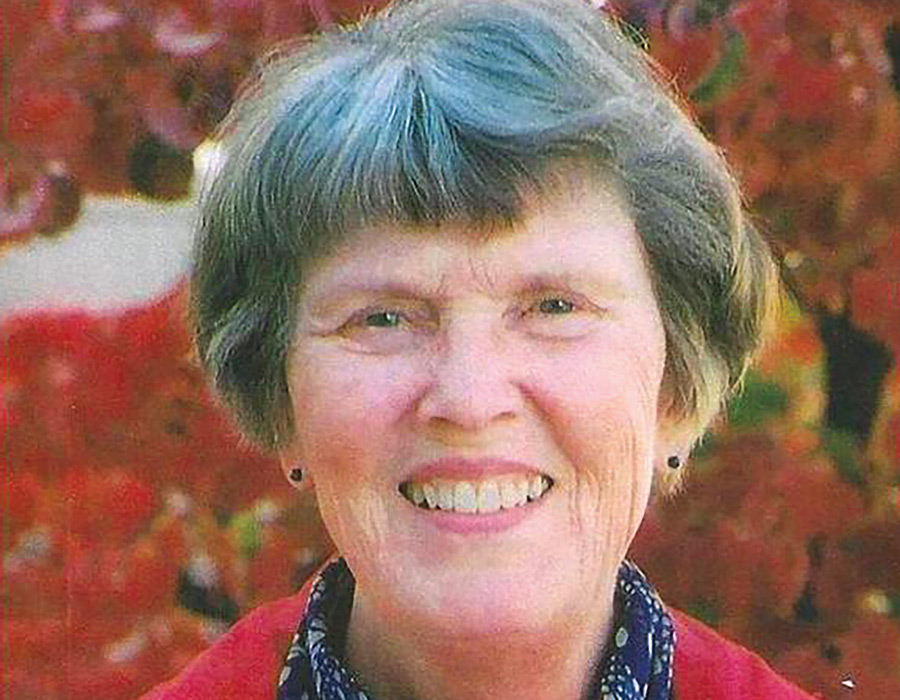
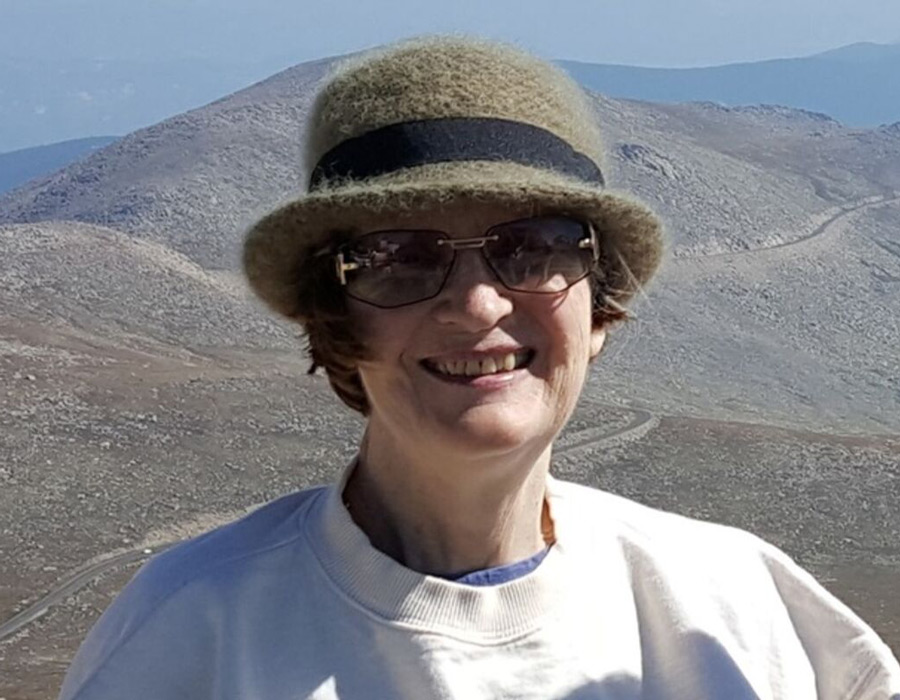
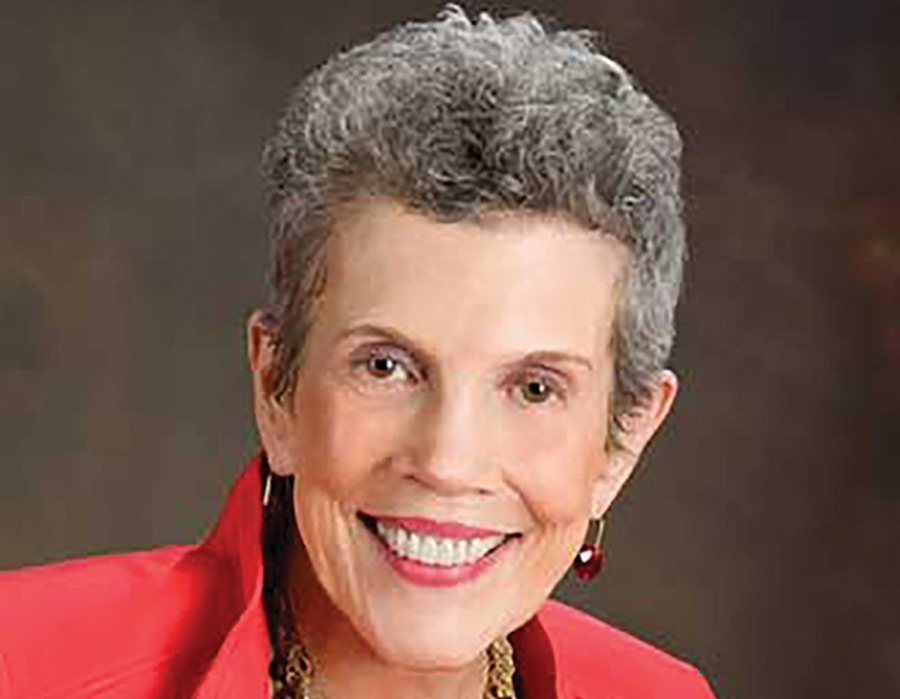
Karen Oppenheim Mason ’64
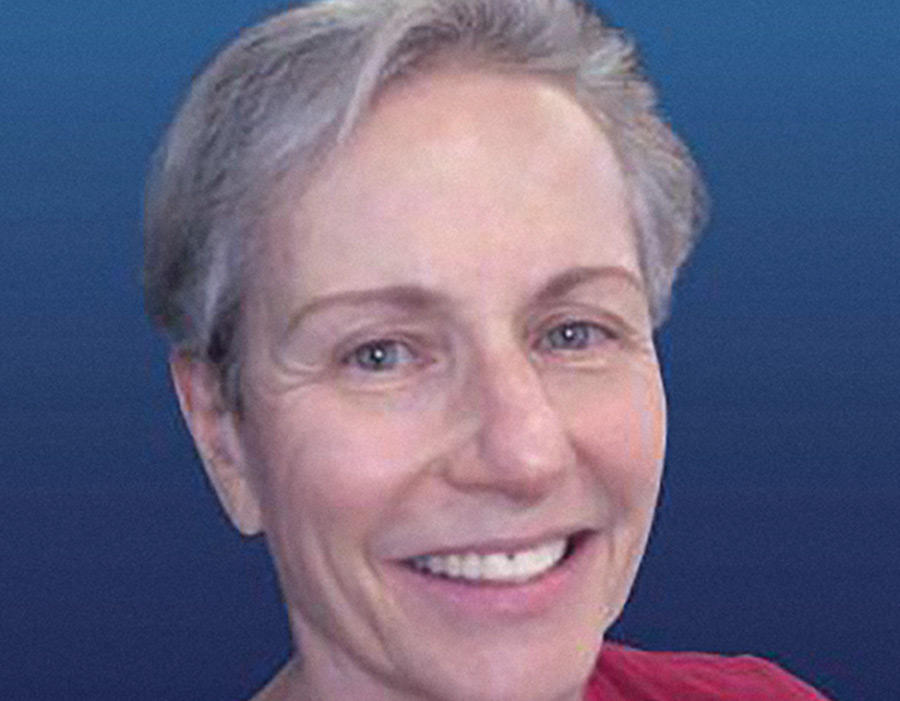
April 11, 2024, in Oakland, California.
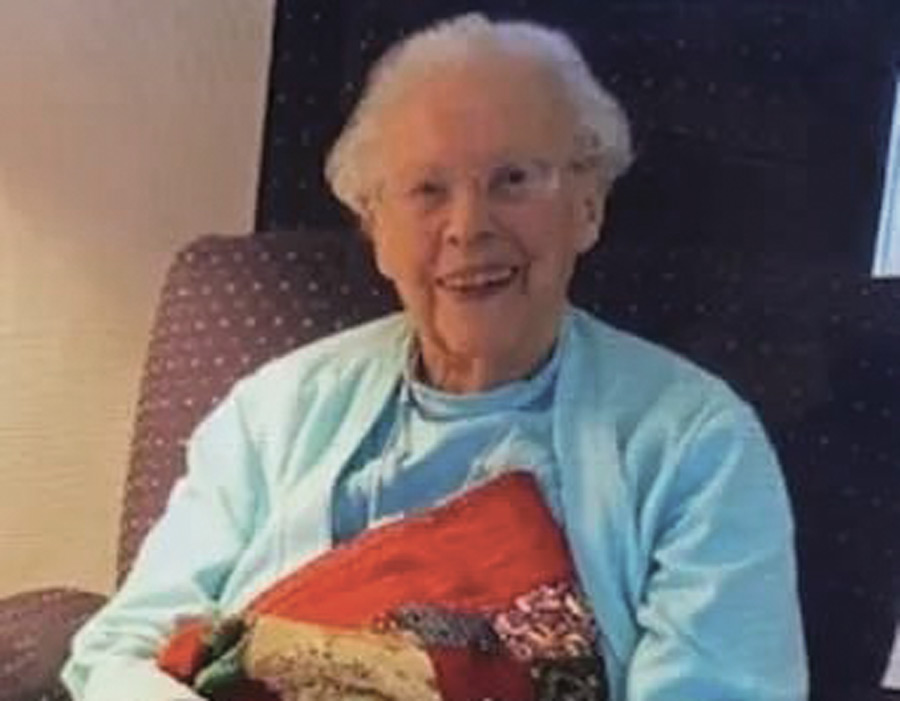
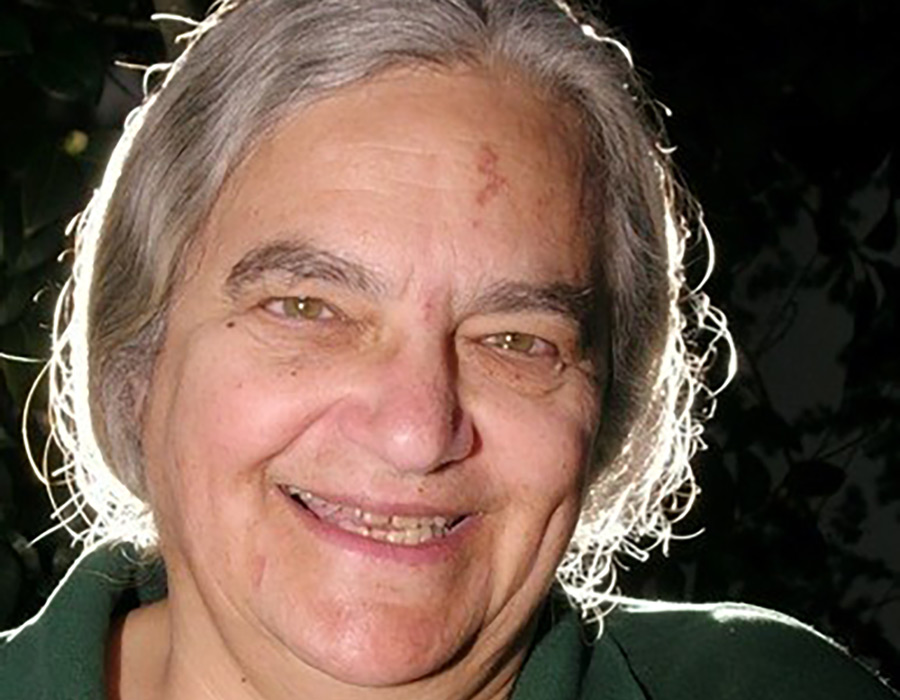
In her lifetime, Karen Klaber Oppenheim Mason made field-changing contributions to demography and population studies by infusing them with elements of sociology. Born in 1942, she studied sociology at Reed, writing her thesis, “Patterns of Obligation and Behavior in Urban Kinship Systems,” with advising from Prof. Howard D. Jolly [sociology 1949–70]. After graduating, she advanced her education at the University of Chicago, where she worked with Robert “Bill” Hodge ’59, who taught empirical approaches to sociology. She wrote her dissertation on voting in then-recent American presidential elections.
When Karen started working in the sociology department at the University of Wisconsin–Madison, she turned her teaching and research focus to gender and gender inequality and began to truly feel like a demographer. After she and her then-husband Bill Mason moved to North Carolina, she conducted research on women’s labor force participation and fertility at the Research Triangle Institute. The connections between fertility, women’s paid and unpaid work, and childcare became a driving theme in Karen’s research—and when she later joined the University of Michigan faculty, she became a professor and a role model for the growing number of women graduate students in demography.
In the ’90s, Karen became the director of the Population Studies Program at the University of Hawai‘i, ultimately becoming director of the Program on Population at the East-West Center in Honolulu. She also undertook an ambitious cross-country study about the circumstances governing the effects of women’s power and autonomy on fertility.
In 1999, Karen joined the World Bank as director of the gender and development program, where her leadership and organizational skills enabled her to foster programs to enhance women’s reproductive autonomy. She served as program director until 2004, when she returned to the East-West Center as adjunct senior fellow, a position she held until she retired in 2012.
Karen was also a founding co–chair of the International Union for the Scientific Study of Population Committee on Gender and Population, served as the Population Association of America president, and received the PAA’s Harriet Presser award, honoring her contributions to the study of gender and demography. In her professional life, she was known as a clear thinker, persuasive writer, and effective leader. In her personal life, she was known for valuing family and friends and enjoying many passions, including cooking, traveling, and making pottery.
Karen died peacefully at home with her husband of 30 years, John Sibert, by her side. She is survived by John, her son, David, and her stepdaughter, Annika.
Appeared in Reed magazine: Winter 2024
comments powered by DisqusThe Lives they Led



Henry Franzoni III ’78
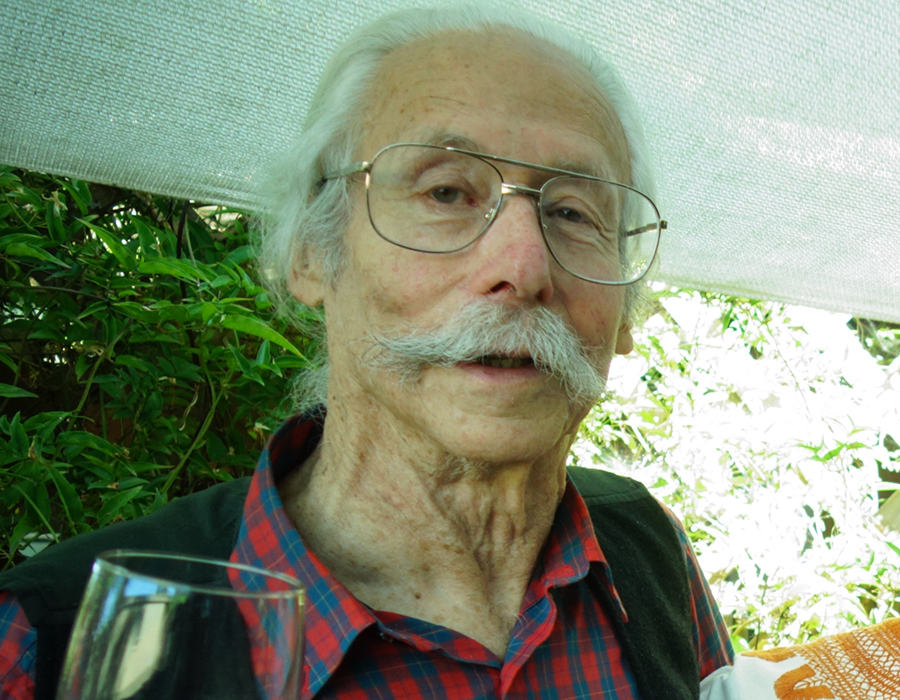
Visionary Drummer, Advocate for Tribal Fisheries, and Recognized Authority on Bigfoot











Robert Greenberg ’56
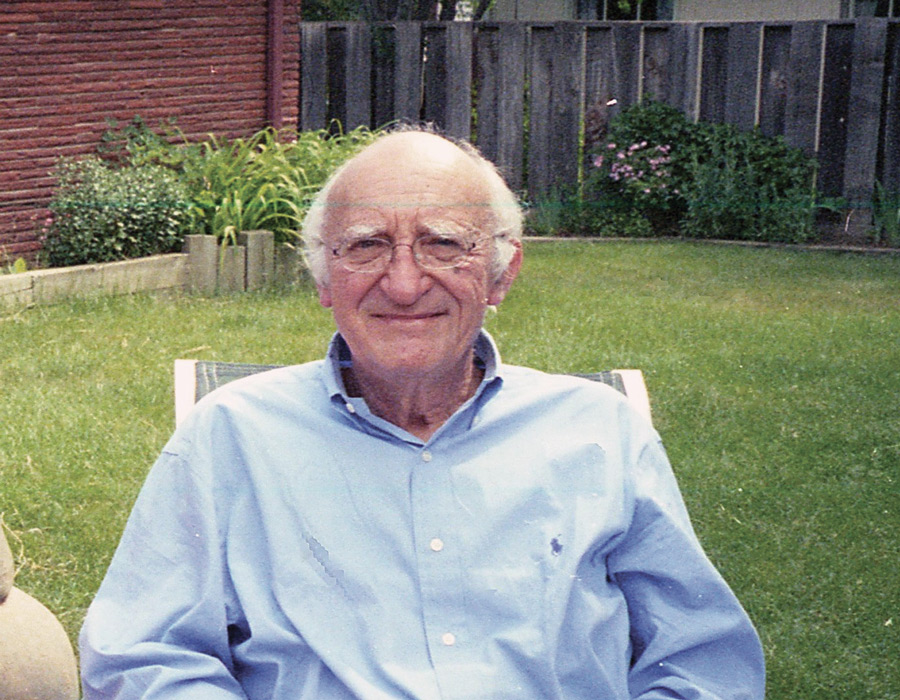
Beloved Husband, Devoted Father, Treasured Grandfather, and Venerated Professor