
Playwright and Provocateur
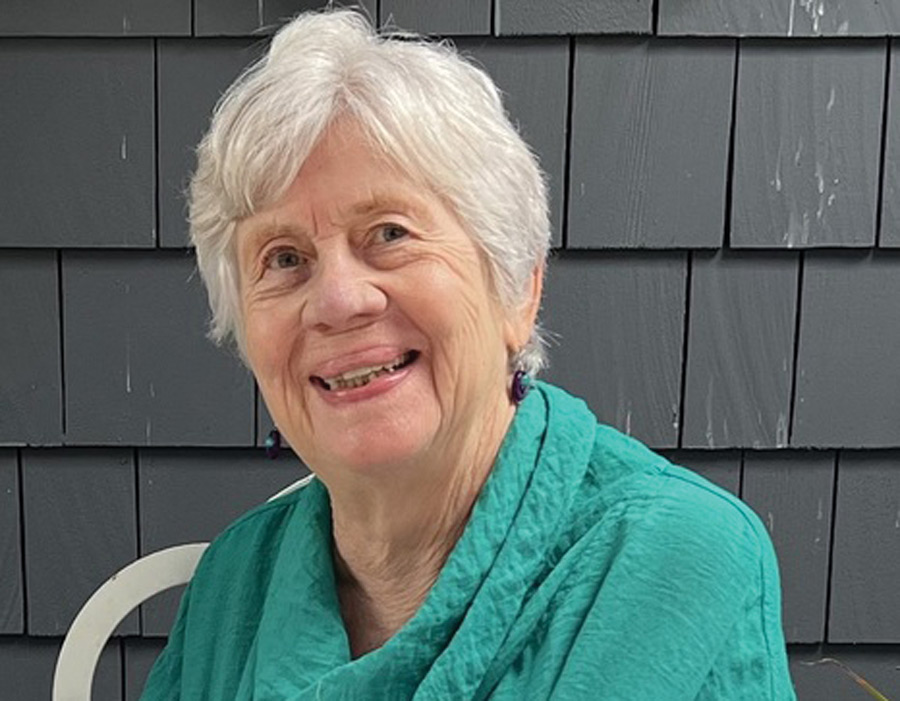
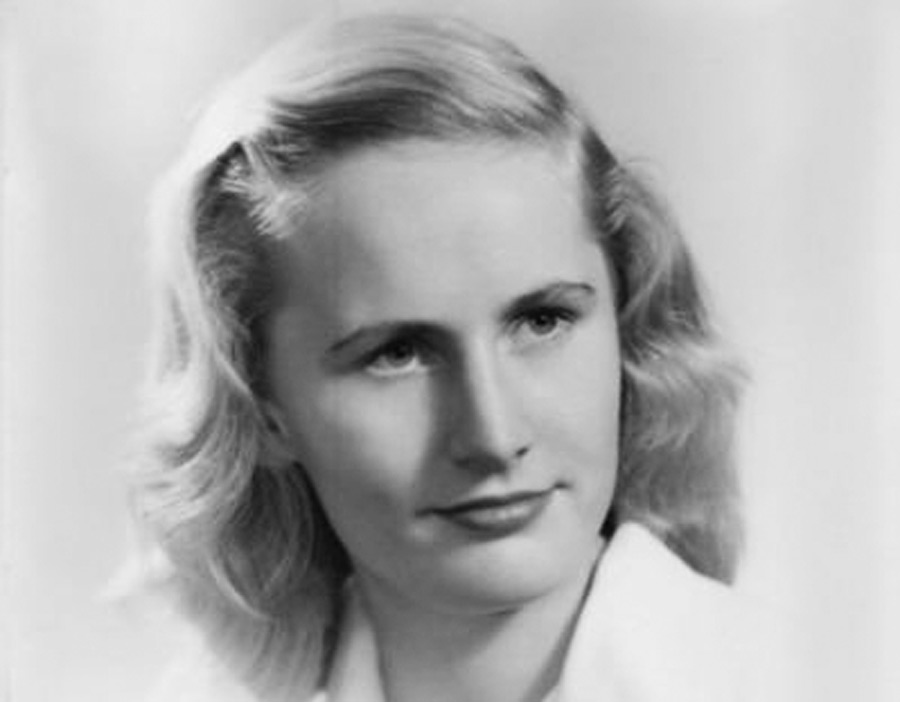
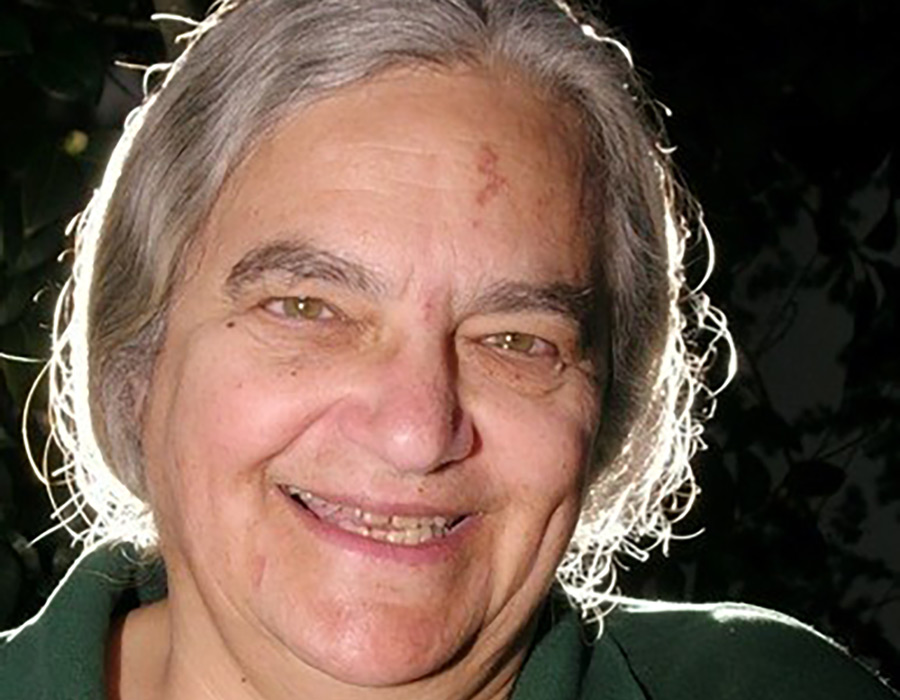
Joan Holden ’60
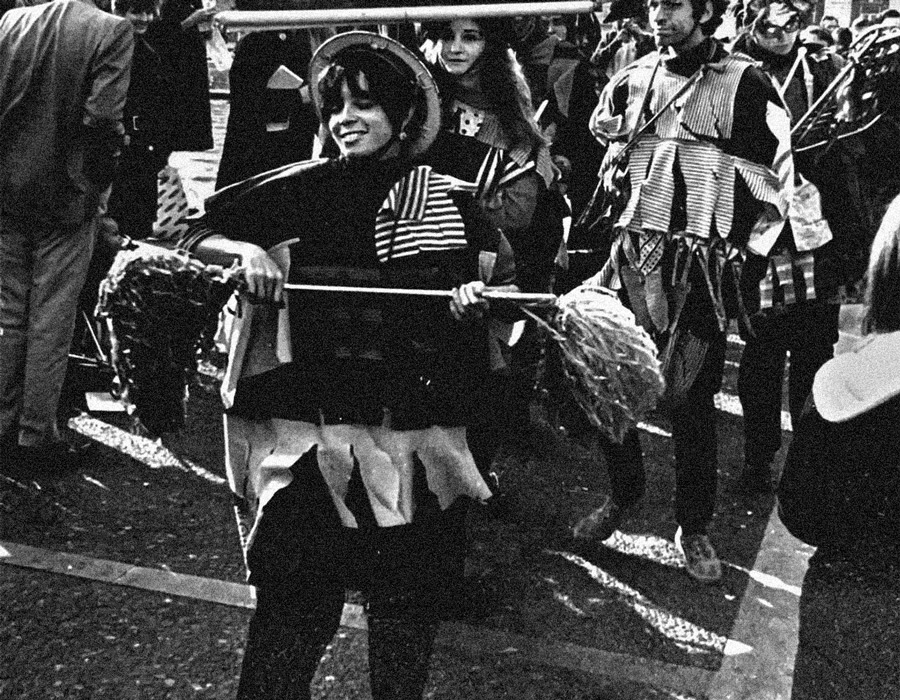
January 19, 2024, in San Francisco, of cancer.
A satirist who saw humor as “the revenge of the powerless,” Joan was one of the most prolific artists to emerge from the San Francisco Mime Troupe. During her 32 years as the group’s resident playwright, she unleashed plays targeting racism, misogyny, and political extremism, driven by her enduring philosophy: if you can’t slay the dragon, make him look silly.
Born Joan Allan in Berkeley in 1939, Joan was the daughter of William Allan, an agricultural economist, and Seema Rynin, a psychiatric social worker. Even before her birth, progressive values shaped Joan’s life: her family’s Berkeley Hills social circle included members of the Industrial Workers of the World, and her parents first met while visiting the former Soviet Union.
At Reed, Joan was an intellectually voracious English major. “I stayed in the library every night, consuming everything,” she told Reed Magazine in 2000. It was at a Reed performance that Joan first encountered the Mime Troupe, which, despite its misleading name, performs in a verbose style mixing everything from slapstick to melodrama to vaudeville.
Joan’s husband, chemistry major Arthur Holden ’58, joined the Mime Troupe’s ranks after graduation. After abandoning an unsatisfying stint as a graduate student at UC Berkeley, Joan moved to Paris in 1964 to become a novelist. Failing to finish a book, she tried her hand at journalism, only to be rejected by the Berkeley Barb—a disappointment that freed her to adapt, at Arthur’s recommendation, Carlo Goldoni’s 18th-century comedy L’Amant militaire for the Mime Troupe.
A daring fusion of puppetry and Vietnam War–era social commentary, L’Amant militaire helped establish Joan as the artistic and political voice of the Mime Troupe. By 1970, she had written her first original play, the feminist melodrama The Independent Female, or A Man Has His Pride, which showcased her talent for intellectually and emotionally challenging audiences. “What would happen with the play is that couples would come holding hands and leave arguing,” she recalled.
After separating from Arthur, Joan embarked on a 34-year romance with her partner, fellow Mime Troupe member Dan Chumley. The couple had three daughters—Kate, Lily, and Sophia—and a dog who knew the route from the family’s home to the Mime Troupe’s studio well enough to walk back and forth alone.
Joan’s most successful plays were among her most provocative. In 1973, she won an Obie Award for The Dragon Lady’s Revenge, about government agents profiting from drug trafficking in Southeast Asia. Even riskier was 1989’s Seeing Double, a musical about two characters—one Jewish, one Palestinian—flying to Israel on the fictitious Trump Fly-by-Night Airlines. A New York Times review noted that Seeing Double’s “even-handed” perspective on conflict between Israel and Palestine could “offend extremists on both sides,” but it won another Obie.
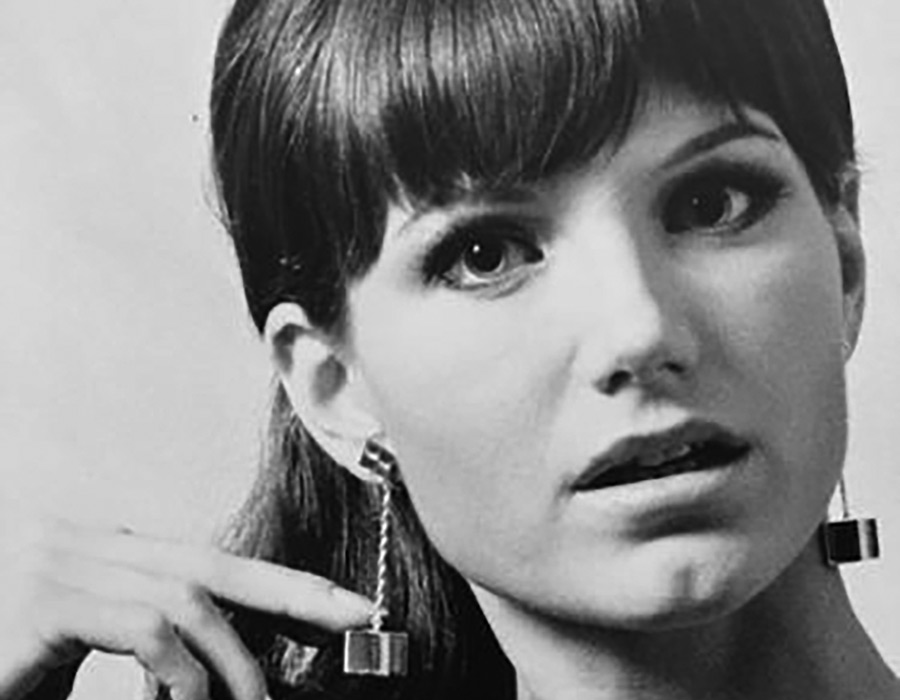
In 2000, Joan retired from the Mime Troupe but continued to write. Her post–Mime Troupe achievements included a theatrical adaptation of Nickel and Dimed: On (Not) Getting by in America, Barbara Ehrenreich ’63’s book about her harrowing undercover experiences working as a maid, a nursing home worker, a waitress, and a Wal-Mart clerk.
Joan is survived by her daughters, including Lily Chumley ’03. Reed’s ethos was an important influence on Joan’s work, informing both her sense of humor and her intellectual rigor. “What I learned at Reed was to not be afraid of asking tough questions,” she told Reed Magazine. “To follow the truth wherever it led.”
Appeared in Reed magazine: Summer 2024
comments powered by DisqusThe Lives they Led







Henry Franzoni III ’78
Visionary Drummer, Advocate for Tribal Fisheries, and Recognized Authority on Bigfoot























Robert Greenberg ’56
Beloved Husband, Devoted Father, Treasured Grandfather, and Venerated Professor