Helping Others Find Their Voice
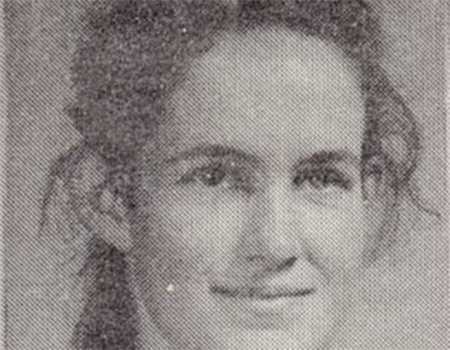
Jennifer Yvette Terrell ’98
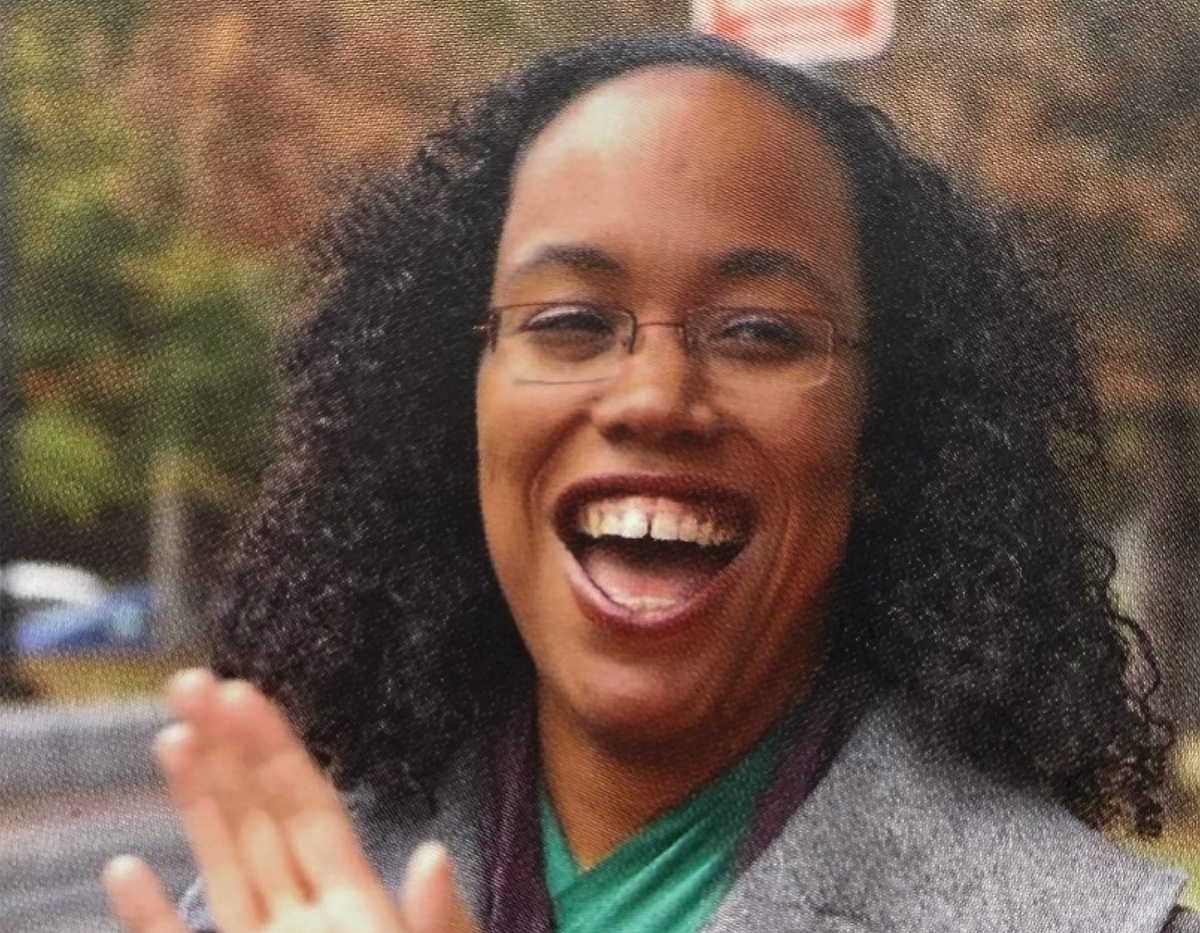
January 4, 2024, in El Paso, Texas.
Born in 1974 in Fort Worth, Texas, to Joanne and Freeman Terrell, Jenn was raised in San Antonio, where being Black and Catholic in a diverse yet predominantly Mexican American community shaped her early experiences. By her high school years, she was drawn to political activism after learning about Nelson Mandela and the antiapartheid movement. “She wanted to change the world,” says her mother, Joanne Terrell.
After a year at Claremont–McKenna College, Jenn transferred to Reed in 1994. Her fellow Reed students remember her for incisive reasoning, in and out of the seminar room. “Jenn never accepted platitudes—intellectual, political or personal,” recalls Beth Cooper ’98. “She loved to question people’s assumptions about the world and about themselves.”
At Reed, Jenn’s passion for politics and Africa flourished, leading to her senior thesis on structural adjustment policies in Ghana, completed with advising by Professor E. Ian Robinson [political science 1995–98]. She continued her activism in college through the Multicultural Resource Center, “organizing and advocating for long, lasting institutional change,” says Beth. “We worked closely to shift the conversation around social justice and politics at Reed.”
Ultimately, Jenn felt “conflicted” about her college experience, as she told Reed Magazine in 2021. When asked about being a Black student at a predominantly white college, she replied, “I know the education I received at Reed was top-notch and sparked something in me,” yet “I was too naïve to realize how alienating my blackness was.”
Following graduation, Jenn moved to Washington, D.C., becoming the bright center of a large social circle composed of high school, Reed, and post-college friends. Among them, she was renowned for her laugh, which “would burst out of her ahead of some biting, clever, snarky, astute, irreverent comment about whatever the laughable situation was,” says Amy Bracken ’97.
In D.C., Jenn worked for the Alliance to End Childhood Lead Poisoning, a nongovernmental organization that funded her first of many trips to Africa. Experience at the Alliance propelled Jenn towards further education, and she returned to school—first at Indiana University Bloomington, then in the doctoral program in politics at the New School for Social Research in New York City.
In 2008, Jenn moved to South Africa to conduct research on rural women’s struggles for resources in the postapartheid era (which appeared in her dissertation, “The Reality of Rights in the Postcolonial State: Equality, Recognition and Land Claims in South Africa”). During the next decade, she published several academic articles on South Africa and returned frequently to the settlement in KwaZulu-Natal where she first conducted fieldwork.
In 2012, Jenn joined the faculty of the department of law at the American University of Cairo. Her dedication to teaching shone through in the praise that dozens of her advisees included in the acknowledgements of their master’s theses, such as one student who thanked “Dr. Jennifer Terrell for helping me find my voice.”
Jenn’s time in Egypt coincided with the major tribulations in the country’s recent political history: the aftermath of the Arab Spring, the fall of dictator Hosni Mubarak, the short-lived presidency of Mohamed Morsi, and the military coup that forced Morsi from power. Threats of public violence were ever present. “Well I might be able to cross off #734 on my bucket list this week: live in a country with martial law,” Jenn confessed in a late-2012 social media post. “My nerves of steel might actually start to rust.”
Jenn later returned to the U.S., where she continued to teach college courses and publish academic research, while also pursuing creative writing and photography. Her work covered diverse subjects from dance to cartography, science fiction to Black Lives Matter. African peoples and politics, both on the continent and in the diaspora, remained constant themes in her writing.
If Jenn had one passion above all others, it was music. “Jenn was famous for mailing friends mixtapes of her latest indie band discoveries, decorated with her original artwork,” says Jason McGraw ’97. “I learned of a lot of new artists this way. She had the best taste in music of anyone I knew.”
Whether regaling friends with tales of going to shows, growing up in Texas, or traveling the world, Jenn’s keen wit shone through. Living abroad, she wrote during her time in Egypt, “reminds me that it is okay to be Black, have an ass, and a wild kinky afro.”
Jenn is survived by her parents.
Appeared in Reed magazine: Fall 2026
comments powered by DisqusThe Lives they Led


Henry Franzoni III ’78
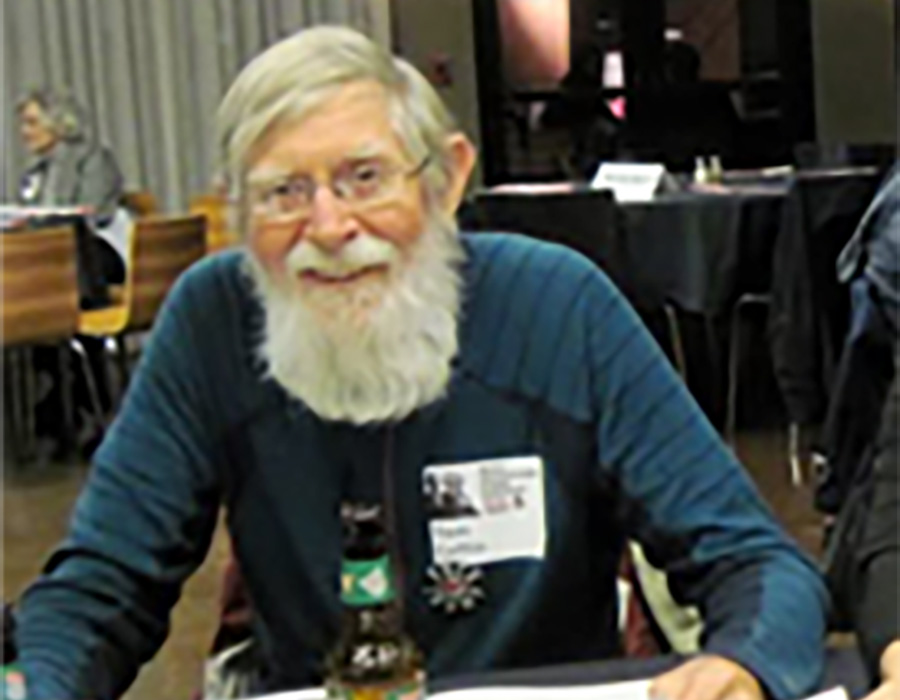
Visionary Drummer, Advocate for Tribal Fisheries, and Recognized Authority on Bigfoot


Robert Greenberg ’56
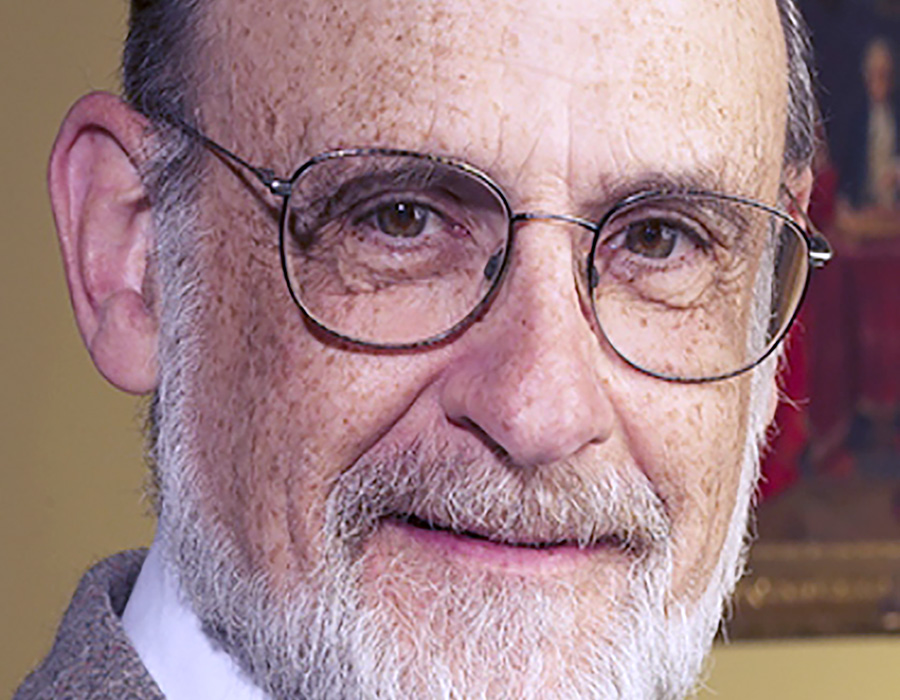
Beloved Husband, Devoted Father, Treasured Grandfather, and Venerated Professor