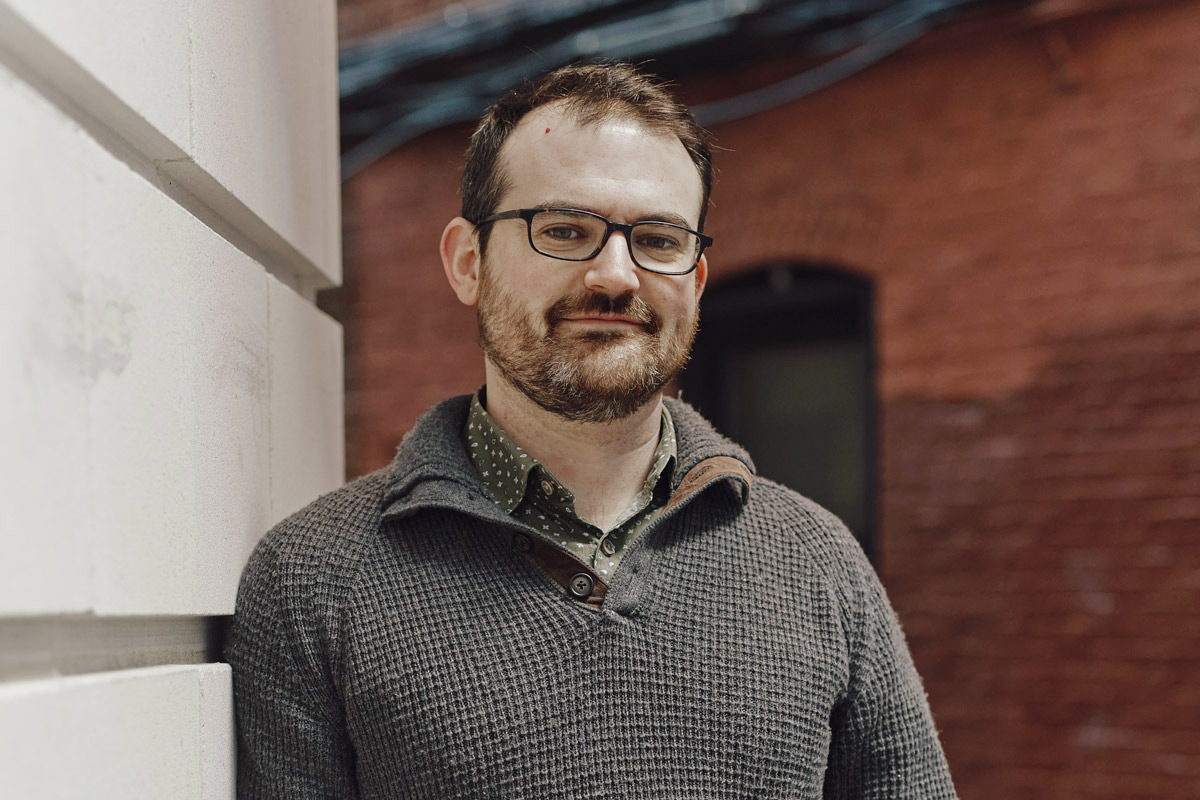
Nick Pittman's work in affordable housing is rooted in his experiences at Reed, where he studied economics and wrote his thesis on how low-income housing developments have affected home sale prices in Portland.
By Bennett Campbell Ferguson
October 2, 2026
Nick Pittman ’13 knows that when you work in the world of affordable housing, focusing on a statistic instead of a person is the fastest way to get discouraged.
“It’s easy to see the numbers of how many tens of thousands of housing units Massachusetts needs to develop to maintain affordability and how much rents have gone up—and that big picture can be very difficult,” he says.
That’s why Nick takes time to acknowledge the human impact of a housing project, like a parking lot that he helped transform into 27 affordable housing units. “At the end of the day, we had this parking lot and now it’s 27 homes for families to live in who were homeless, paying through the nose for rent, or couldn’t live in the neighborhood they wanted to,” he says.
Nick’s conviction is rooted partly in his experiences at Reed, where he studied economics and wrote his thesis on a topic that previewed his career as a project manager and consultant: how low-income housing developments have affected home sale prices in Portland, Oregon.
“When I graduated Reed, it took me five, six, seven years to get back into the affordable housing field—which, to me now, absolutely feels like my place,” Nick says. He has also worked as an environmental and economic consultant, served in the Peace Corps, and studied urban planning at Tufts University.
“If you put all those things into a blender and mixed them all up,” he says, “you’d get affordable housing development.”
The blender analogy is also an apt description of Nick’s time at Reed, during which he voraciously embraced a variety of challenges—from teaching a “cycling to service” physical education class to pursuing an internship with the State of Vermont (with the help of Lawrence Miller ’87, then the state’s secretary of commerce and community development) to taking a harrowing computer science course.
“I’d rather have a class that kicked my butt—but I learned a lot from it—than a B-minus in another class I just skated through,” Nick says. “If you only like the things you’re good at, your life’s going to be a lot narrower.”
After four years of serving as a real estate project manager at the Fenway Community Development Corporation, Nick now works as a senior program officer in affordable housing lending at LISC Massachusetts, the local office of a national nonprofit. It’s necessary and difficult work—which is why he takes time to reflect on success stories, like the former parking lot that became a home for many.
“I was talking to one of my colleagues about the first person to move into this new building, who had moved out of a shelter with her newborn,” Nick says. “I just started crying as I was driving, thinking of this person who had their own space now—and didn’t have to be living in a shelter with their brand-new baby anymore.”
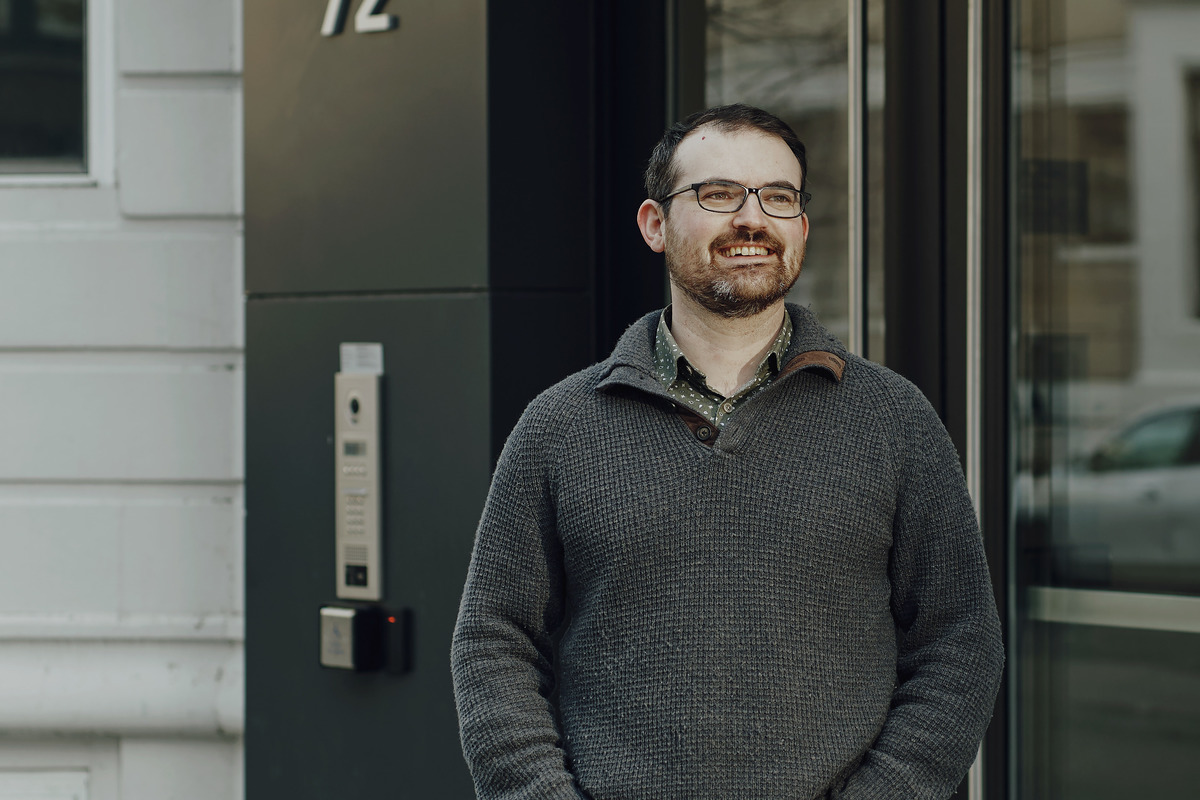
Nick left Reed with an economics thesis on low-income housing and learned that the numbers only matter when you see the people behind them. Today he's turning parking lots into homes for families who had nowhere to go. Your gift helps create the moments that set Reedies like Nick on that path.