Reed in the Media
The Chronicle of Philanthropy highlights David Edding's bequest to Reed
Local coverage of Reed's agreement with the Department of Justice on book readers: OPB Radio; Oregonian
Book-TV recording of author, NY Times journalist, and 1989 Reed Grad Peter Goodman's lecture, "Past Due: The End of Easy Money and the Renewal of the American Economy"
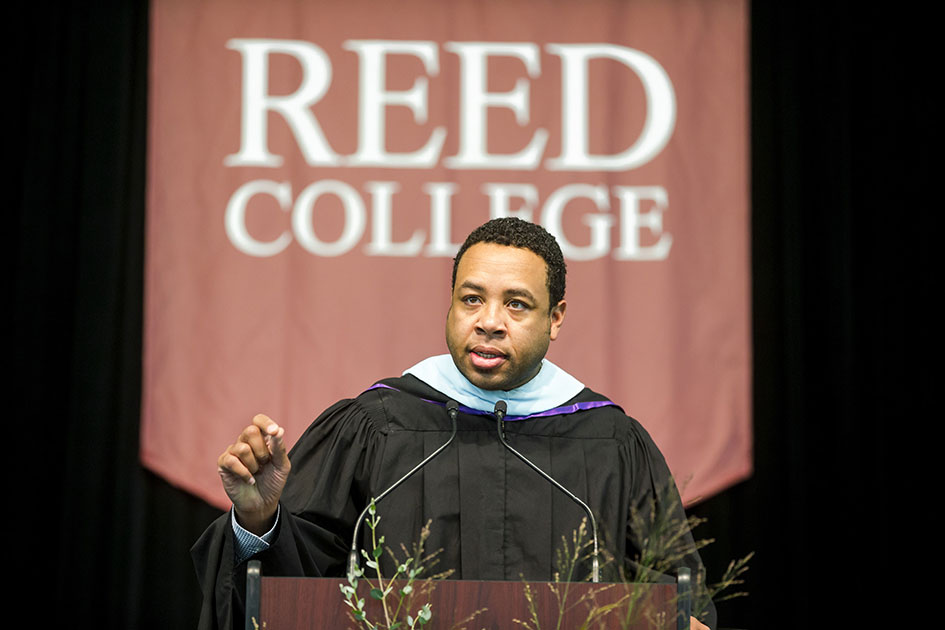
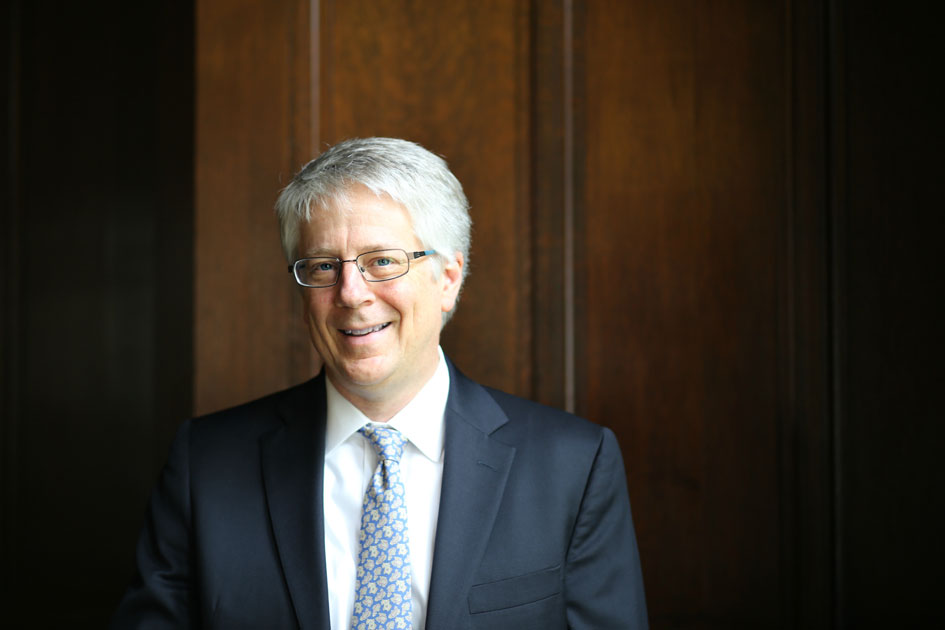
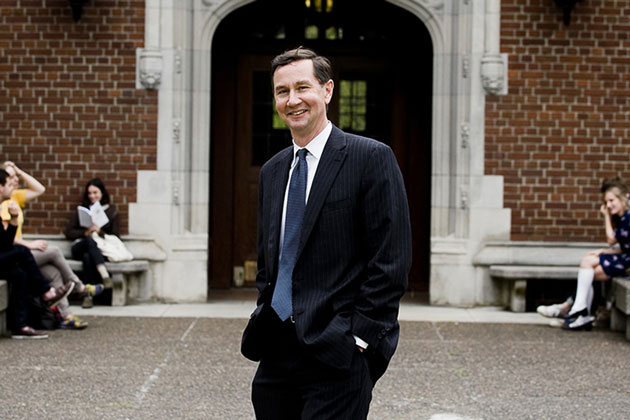
The Wall Street Journal turned the tables on the presidents of 10 top colleges and universities, including Reed’s Colin Diver, with an unusual assignment: answer an essay question from their own school's application
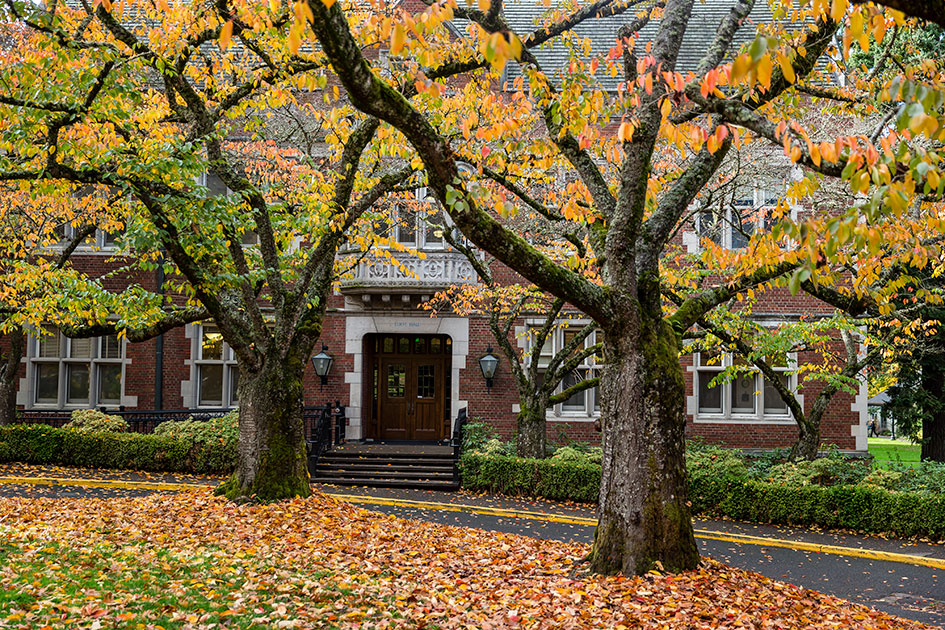
CBS News reporting on Reed's tolerance of its odoriferous ginkgo trees
New York Times features Reed in an article on the increased demand for financial aid; President Diver responds to the Times article; OPB gives the Oregon perspective
New York Times features Reed College in an article on admission trends during the economic downturn
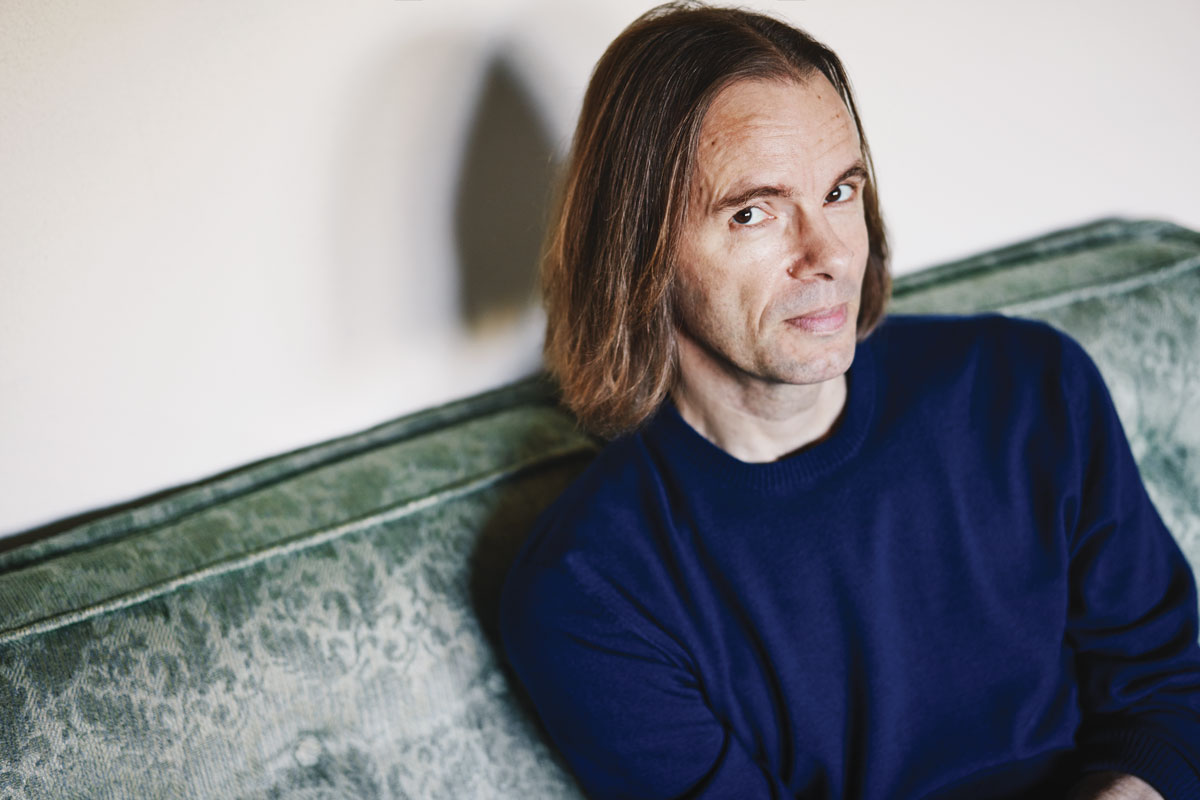
My Abandonment, the latest novel by Reed's Peter Rock, has gained local and national attention in the Oregonian, NY Post, Newsday.
Oregonian Q&A with Reed’s Crystal Williams on
her third collection of poems, Troubled Tongues
The Oregonian review of "Suddenly" at the Douglas F. Cooley Memorial Art Gallery.
Early Voting has become a hot topic on the Presidential campaign trail, and Reed’s Paul Gronke is a leading expert in the field: read Paul’s latest contribution on CNNPolitics.com.
Oregon Council for the Humanities magazine features its Humanity in Perspective course. The course is taught by Reed professors, and helps low-income adults use the humanities to improve their lives.
Boston’s WBUR topical issues show, Here and Now, features Reed professor of political science Paul Gronke on the popularity of early voting.
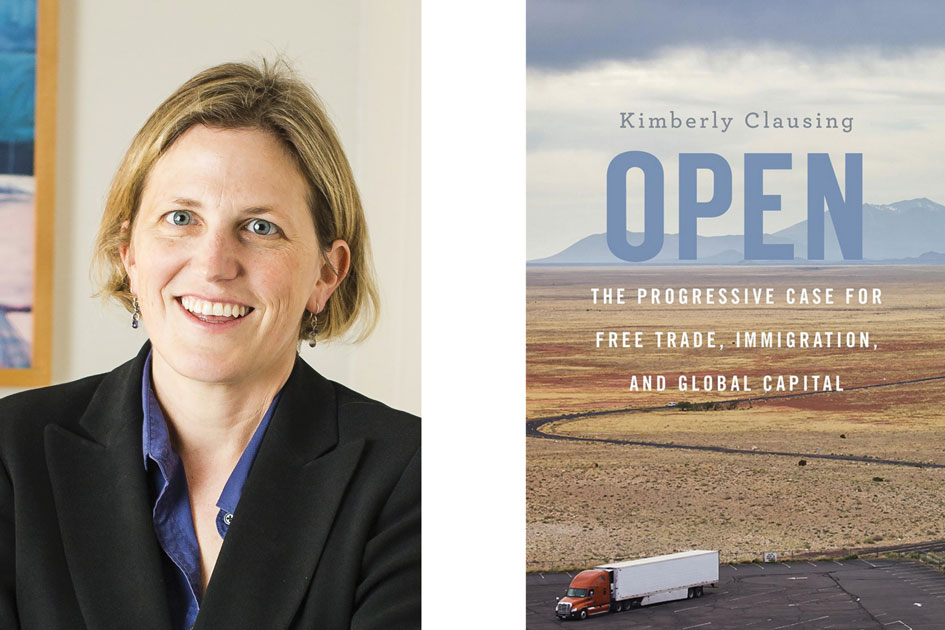
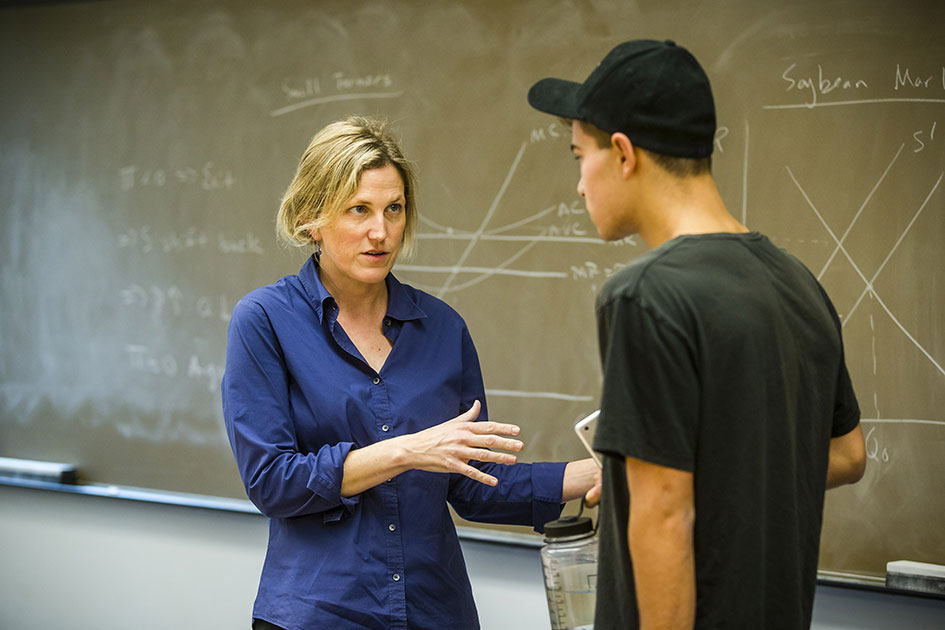
Kimberly Clausing, Reed professor of economics, on how Wall Street's meltdown will impact the folks of Main Street on Marketplace.
Paul Gronke, Reed professor of political science, on early voting in the UK's The Guardian.
Reed dean of admission Paul Marthers on OPB’s Think Out Loud to discuss the rising cost of a college education.
Paul Gronke, Reed professor of political science, is quoted in the New York Times on the influence of early voting on campaign strategy in the presidential election.
The Oregonian on the City of Portland’s decision to include the Parker House in Reed’s amended master plan.
The Oregonian profiles "suddenly: where we live now" at the Douglas F. Cooley Memorial Art Gallery.
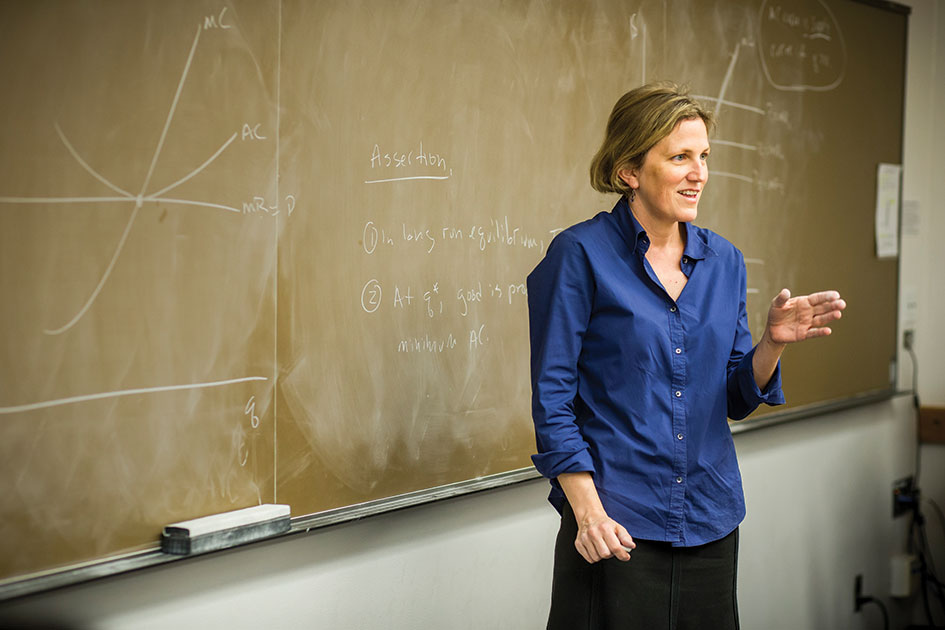
Ellen Millender, Reed associate professor of classics, shares her thoughts on the use of technology in the classroom for a New York Times article.
Paul Gronke, Reed professor of political science, and Reed’s Early Voting Information Center are part of a USA Today story on the upcoming presidential election.
Jeffrey A. Parker, Reed professor of economics, and Paul Marthers, Reed dean of admission, examine faculty pay equity at small liberal arts colleges for Academe.
Reed Dean of the Faculty Peter Steinberger appears on OPB's Think Out Loud to discuss Reed’s drug and alcohol policy.
2008 Reed graduate Lukas Strickland is featured in the Oregonian for being a recipient of a Thomas J. Watson Fellowship travel grant.
The Oregonian reviews Jess, an exhibition at Reed's Douglas F. Cooley Memorial Art Gallery.
Marat Grinberg, Reed Russian literature professor, comments in the New York Review of Books on the "problem of evil" in postwar Europe.
Brian Kassof, Reed visiting assistant professor of history and humanities, contributes to an OPB story on the origins of May Day.
Former President Bill Clinton responds on ABC News to the questioning of Hilary Clinton's campaign strategy by Paul Gronke, Reed political science professor.
Read more media stories.
News Center
Features
Campus News
“Mathematician’s Mathematician” honored by Reed College
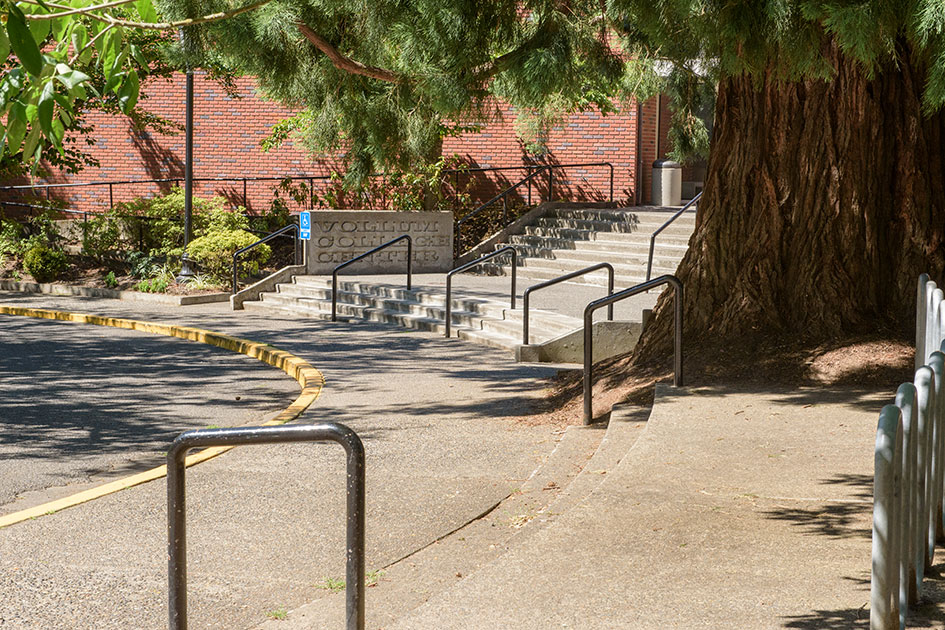
The Vollum Award for Distinguished Accomplishment in Science and Technology was presented to Daniel Bump ’74 at Reed convocation

PORTLAND, OR (August 24, 2006) -- Daniel Bump, a Reed College alumnus and professor of mathematics at Stanford University who is a key figure in multiple Dirichlet series, received the Vollum Award for Distinguished Accomplishment in Science and Technology from his alma mater.
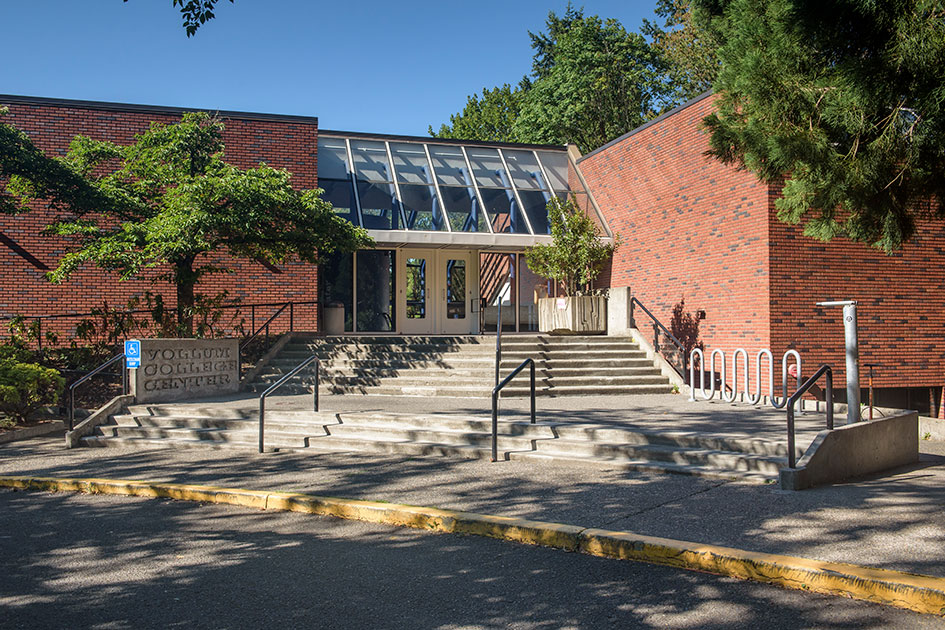
The Vollum Award, established in 1975 as a tribute to the late C. Howard Vollum, a 1936 Reed graduate and lifelong friend of the college, is presented each year at opening convocation ceremonies for incoming students and their families. Winners are selected for the perseverance, fresh approach to problems and solutions, and creative imagination that characterized Vollum's career. This year, convocation ceremonies took place on August 23 on the Reed campus.
Bump is “an industrious, selfless, steadfast mathematician’s mathematician,” said Joseph Buhler, Reed professor emeritus of mathematics. “He is able to bridge chasms between different mathematical fields and personal temperaments to contribute to the broader discipline of mathematics as a true team player.”
Bump, who grew up in Forest Grove, Ore., graduated from Reed in 1974, earned his doctorate at the University of Chicago, and joined Stanford faculty in 1986. He is the 5th alumnus among 31 Vollum Award winners.
His research is in automorphic forms, representation theory, and number theory, and he was one of the organizers of the first conference on multiple Dirichlet series in 2005.
In 1989, his work in L-series mathematics yielded a major breakthrough when, in conjunction with others, Bump proved that certain infinite sums of imaginary numbers do not vanish, thus solving an instance of the Birch-Swinnerton-Dyer Conjecture, a mathematical gauntlet laid down by the Clay Mathematics Institute.
Bump is the author several books, including the well-received
Automorphic Forms and Representations (Cambridge University Press, 1999), and has published over 65 papers in various publications, including
Annals of Mathematics and
Inventiones, which is perhaps the most prestigious mathematics journal in the world.
Apart from his academic career, Bump is also one of the original, central programmers for GNU Go, an artificial intelligence project to create a computer program that can play a moderately competitive game of Go (Wei-Chi, Baduk), the ancient and complex Japanese board game featured in the opening scenes of the film “A Beautiful Mind.” A collaborative effort that Bump still contributes to in his spare time, GNU Go is free software, available for download on the Internet.
###
Reed College
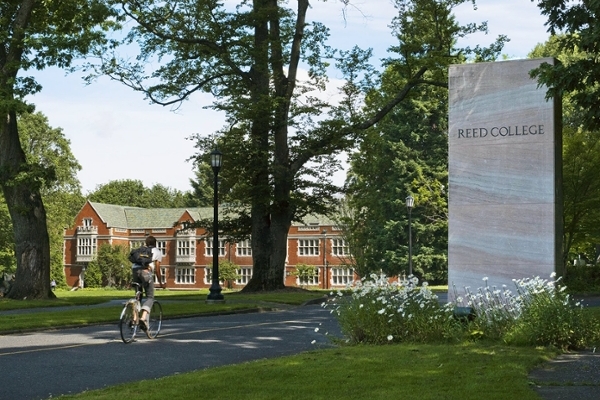
Reed College, in Portland, Oregon, is an undergraduate institution of the liberal arts and sciences dedicated to sustaining the highest intellectual standards in the country. With an enrollment of about 1,360 students, Reed ranks third in the undergraduate origins of Ph.D.s in the United States and second in the number of Rhodes Scholars from a liberal arts college (31 since 1915). For more information, visit web.reed.edu.