Reed in the Media
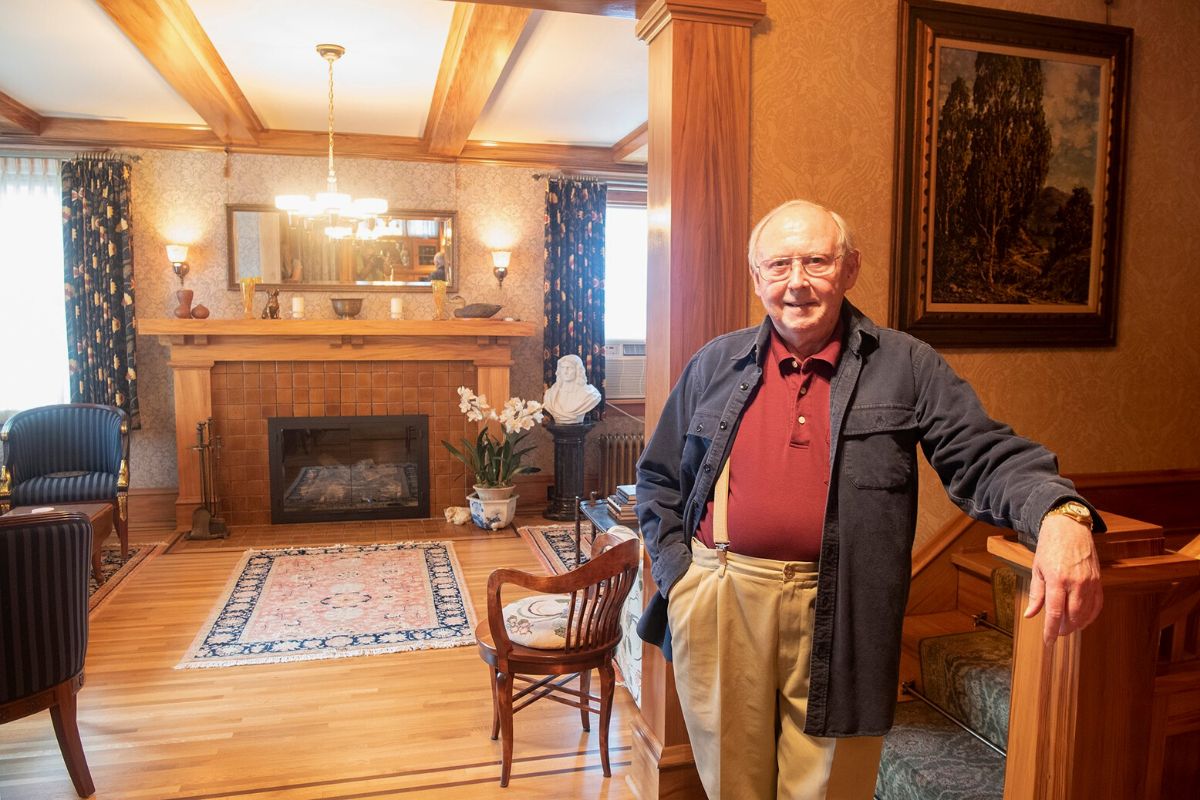
The Chronicle of Philanthropy highlights David Edding's bequest to Reed
Local coverage of Reed's agreement with the Department of Justice on book readers: OPB Radio; Oregonian
Book-TV recording of author, NY Times journalist, and 1989 Reed Grad Peter Goodman's lecture, "Past Due: The End of Easy Money and the Renewal of the American Economy"
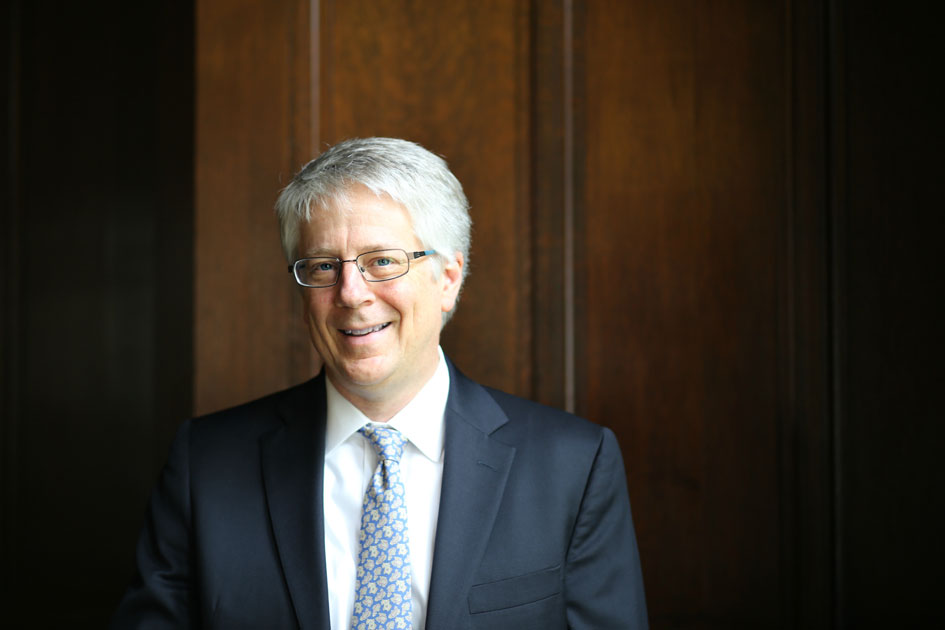
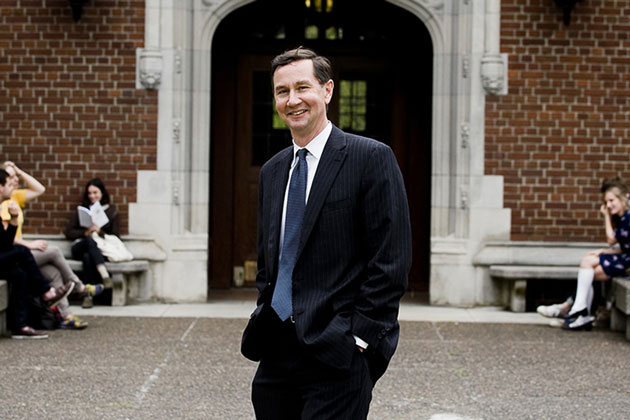
The Wall Street Journal turned the tables on the presidents of 10 top colleges and universities, including Reed’s Colin Diver, with an unusual assignment: answer an essay question from their own school's application
CBS News reporting on Reed's tolerance of its odoriferous ginkgo trees
New York Times features Reed in an article on the increased demand for financial aid; President Diver responds to the Times article; OPB gives the Oregon perspective
New York Times features Reed College in an article on admission trends during the economic downturn
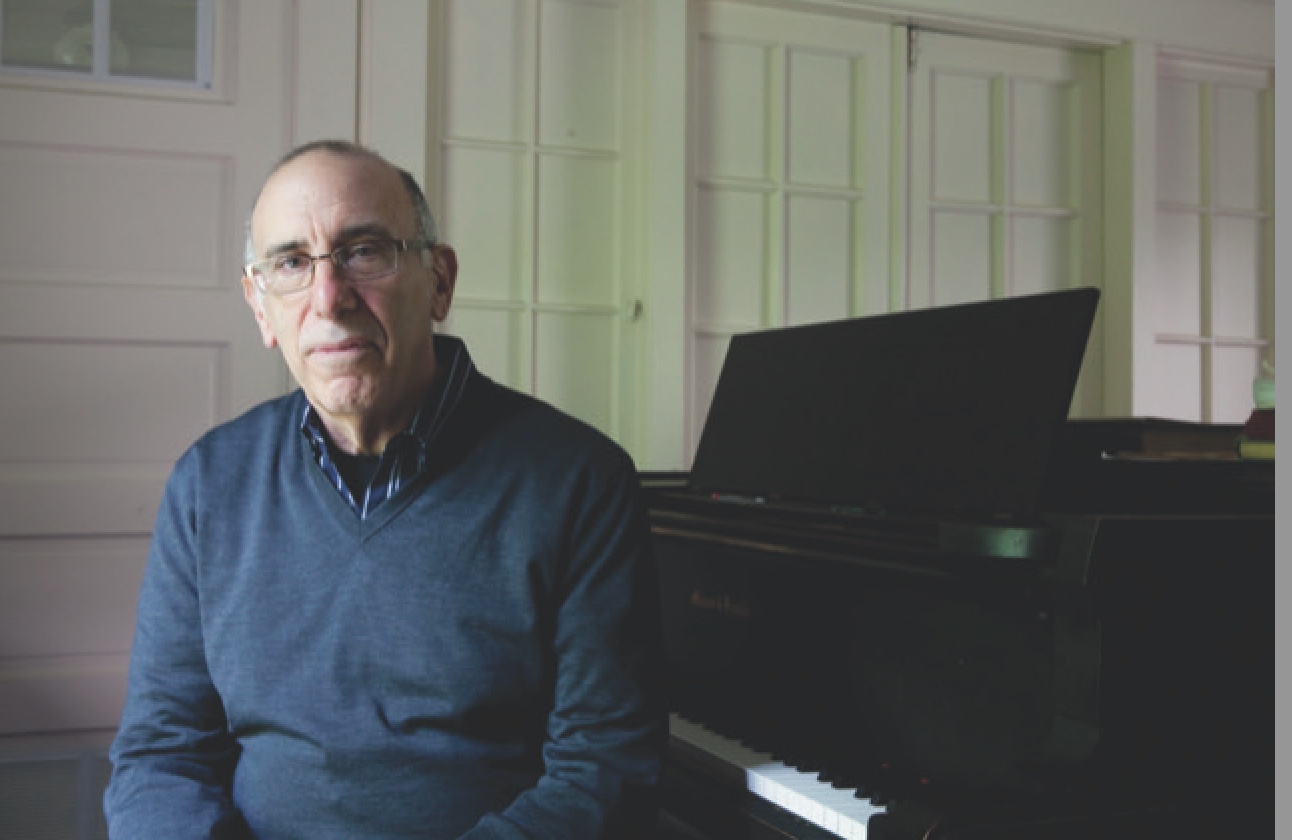
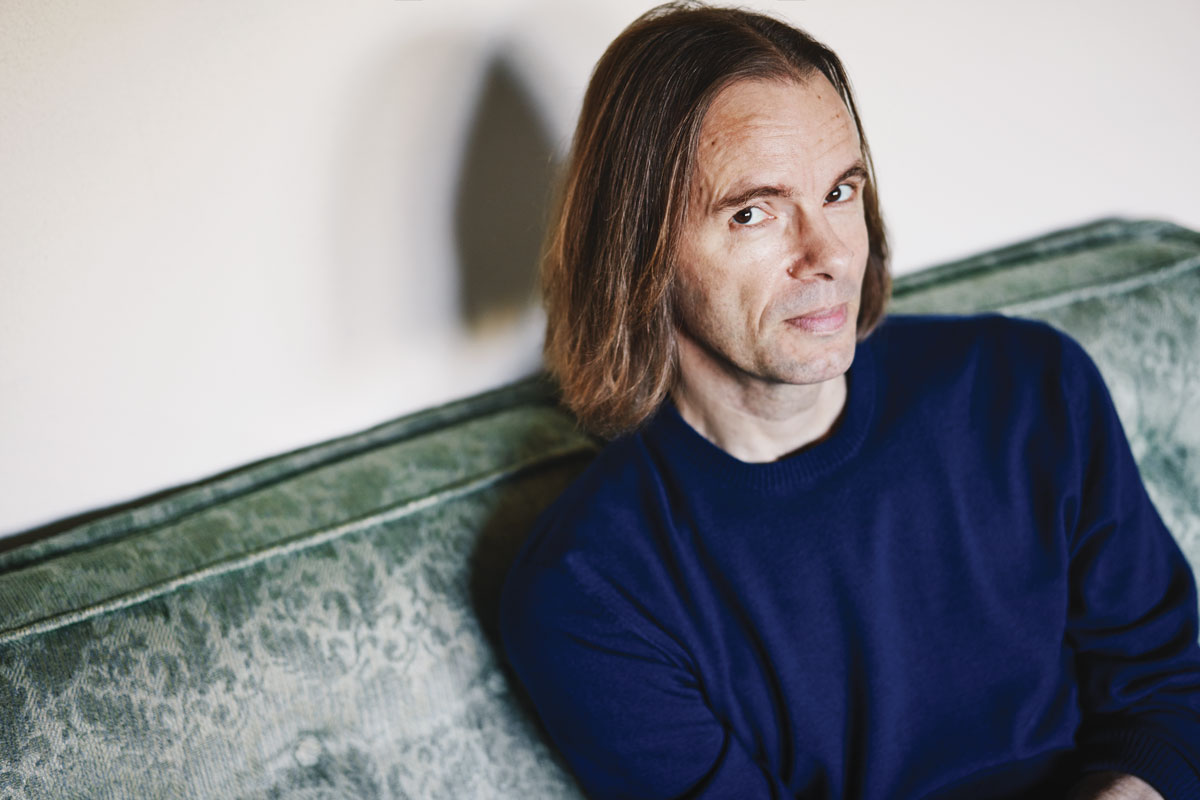
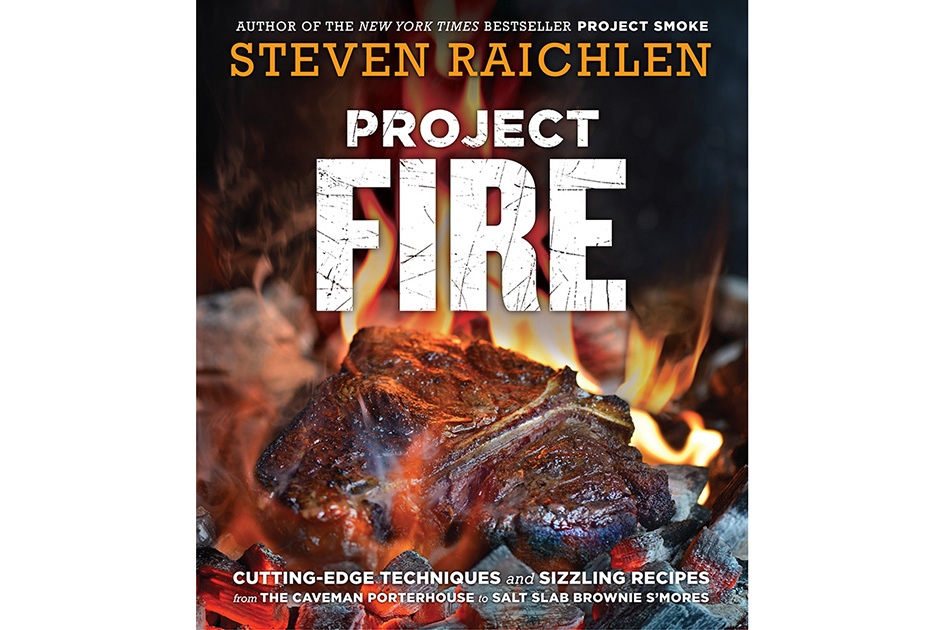
My Abandonment, the latest novel by Reed's Peter Rock, has gained local and national attention in the Oregonian, NY Post, Newsday.
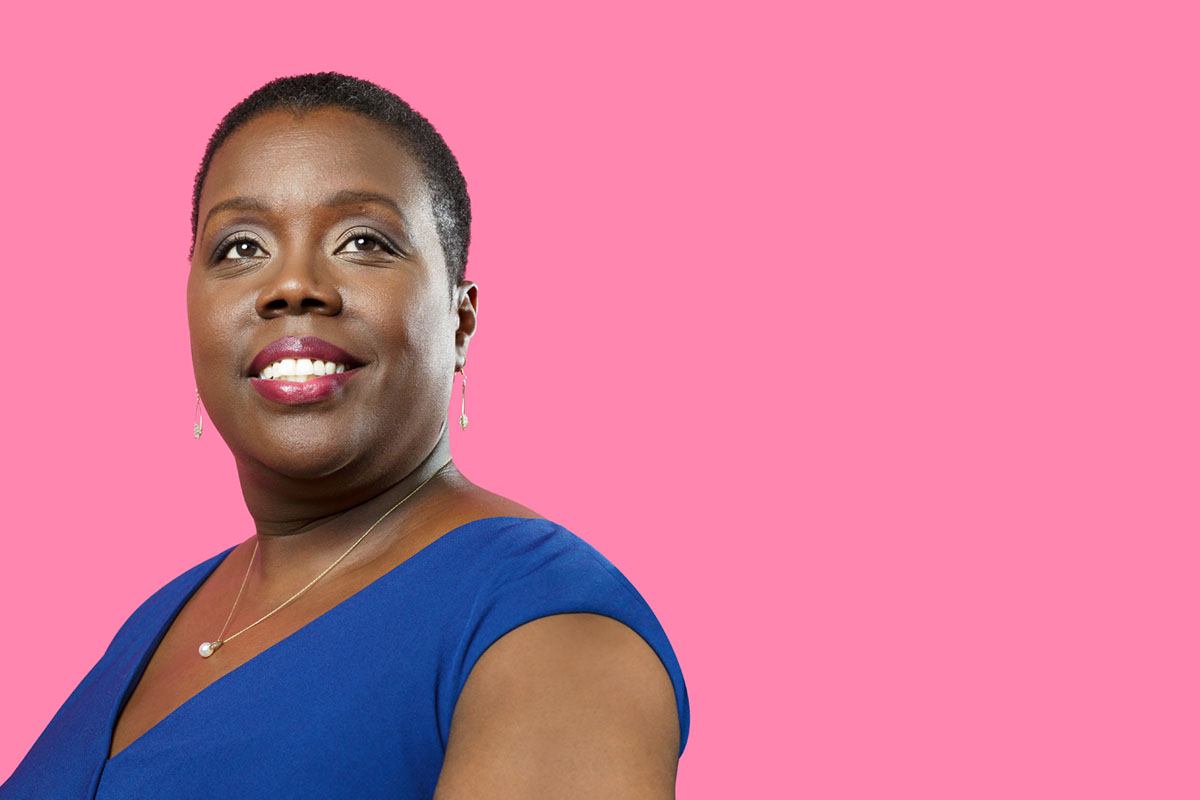
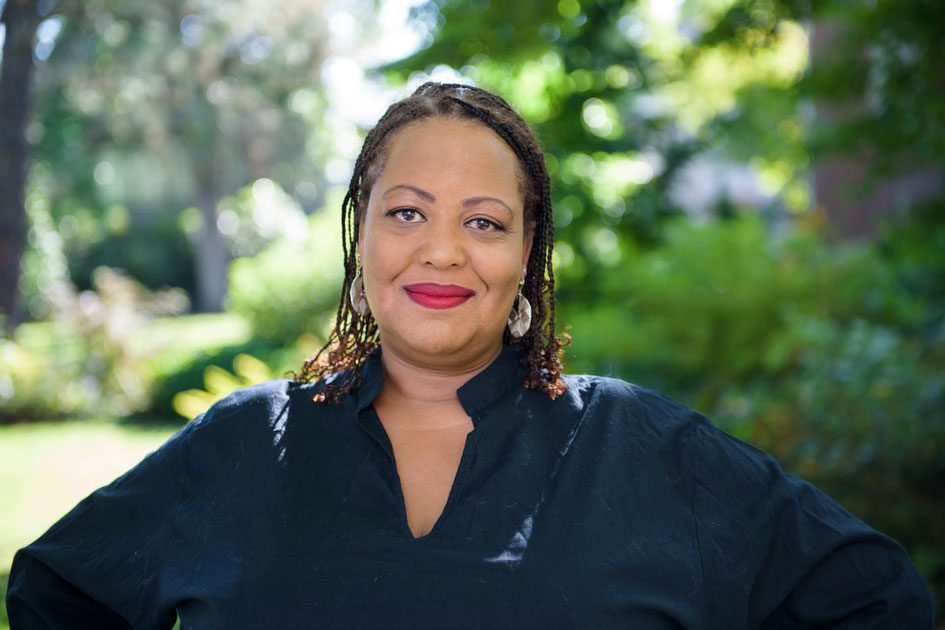
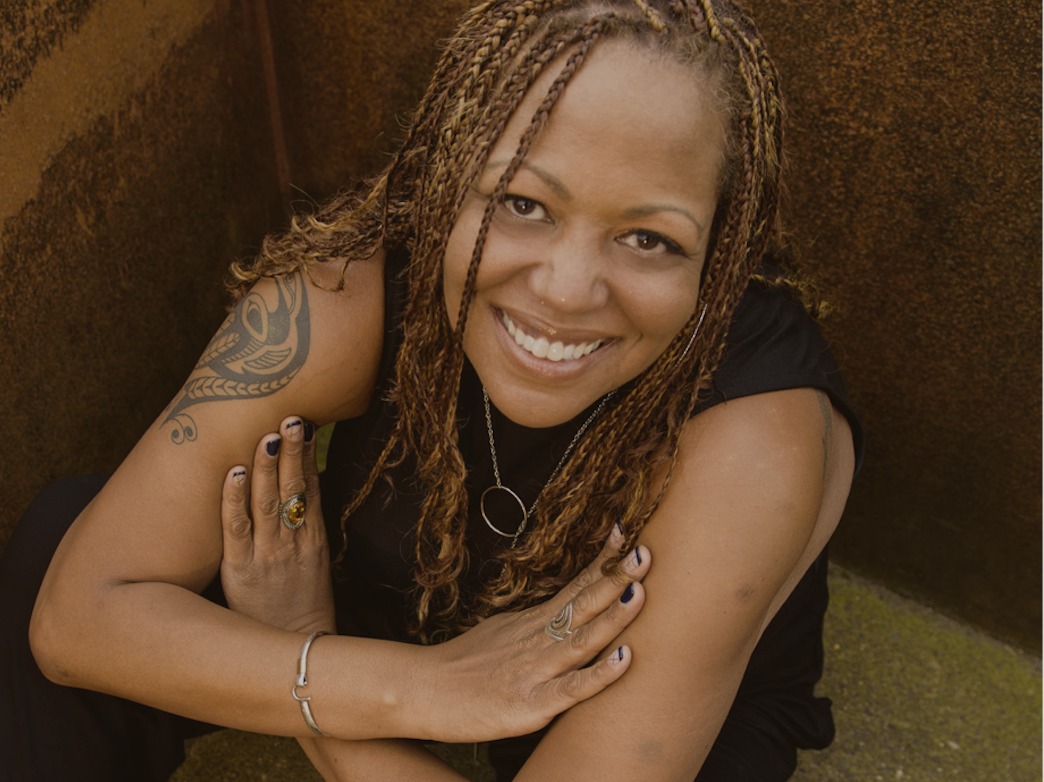
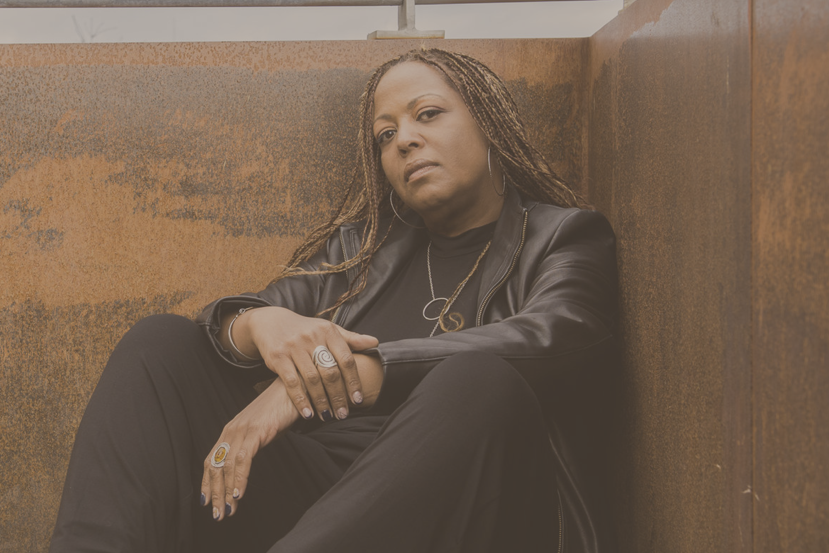
Oregonian Q&A with Reed’s Crystal Williams on
her third collection of poems, Troubled Tongues
The Oregonian review of "Suddenly" at the Douglas F. Cooley Memorial Art Gallery.
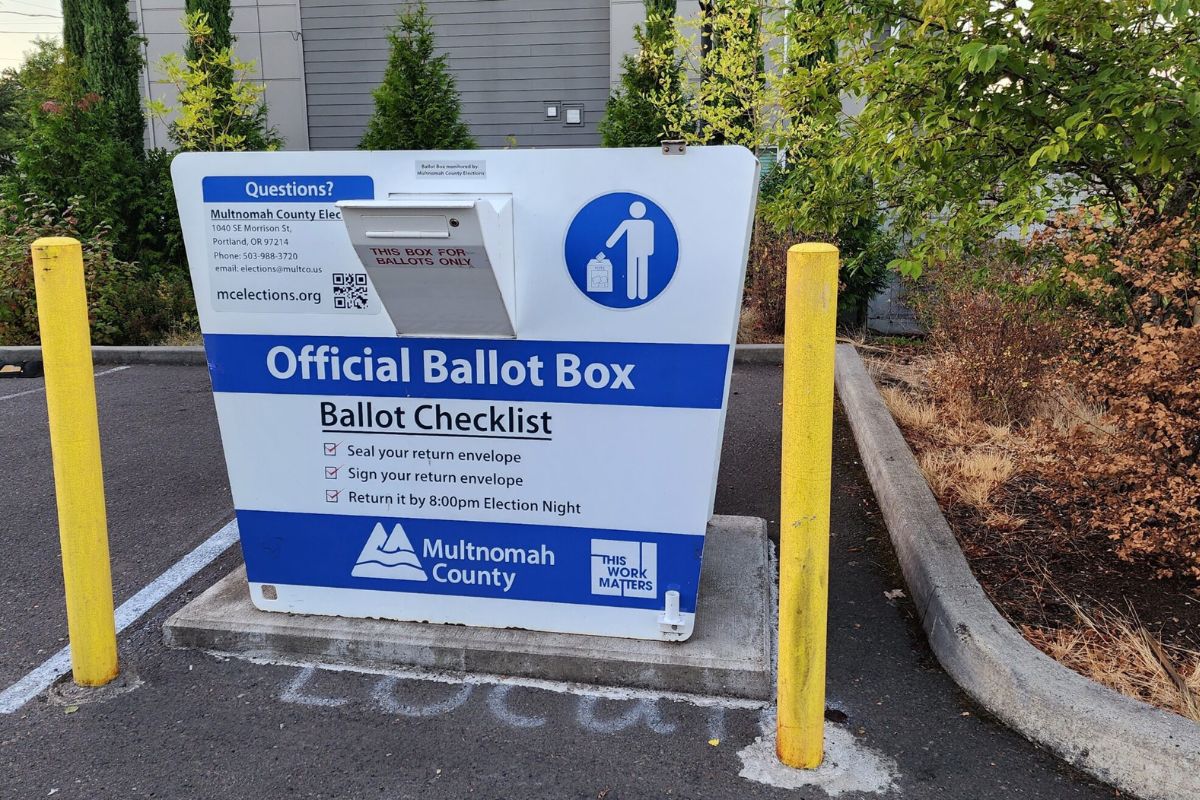
Early Voting has become a hot topic on the Presidential campaign trail, and Reed’s Paul Gronke is a leading expert in the field: read Paul’s latest contribution on CNNPolitics.com.
Oregon Council for the Humanities magazine features its Humanity in Perspective course. The course is taught by Reed professors, and helps low-income adults use the humanities to improve their lives.
Boston’s WBUR topical issues show, Here and Now, features Reed professor of political science Paul Gronke on the popularity of early voting.
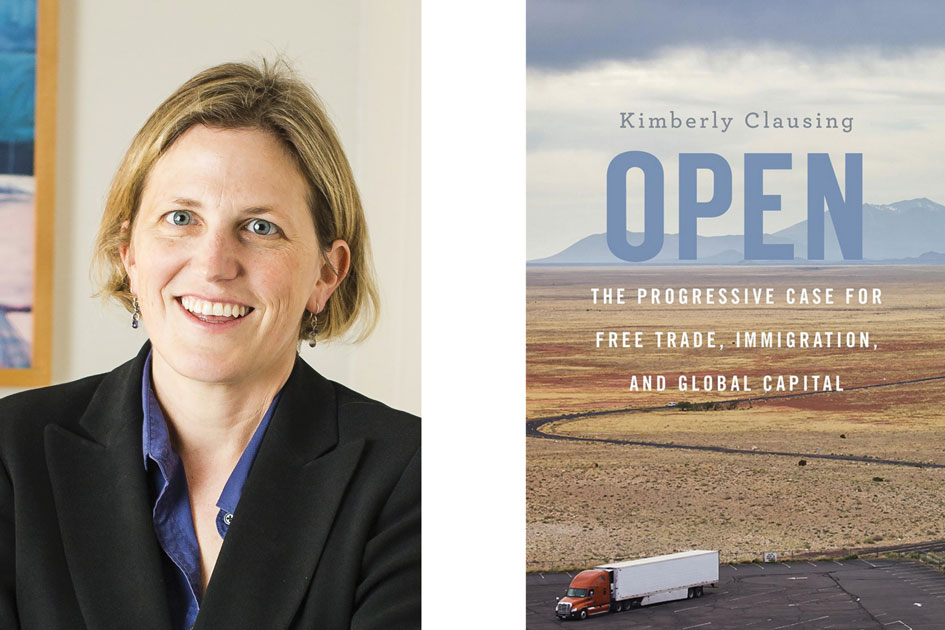
Kimberly Clausing, Reed professor of economics, on how Wall Street's meltdown will impact the folks of Main Street on Marketplace.
Paul Gronke, Reed professor of political science, on early voting in the UK's The Guardian.
Reed dean of admission Paul Marthers on OPB’s Think Out Loud to discuss the rising cost of a college education.
Paul Gronke, Reed professor of political science, is quoted in the New York Times on the influence of early voting on campaign strategy in the presidential election.
The Oregonian on the City of Portland’s decision to include the Parker House in Reed’s amended master plan.
The Oregonian profiles "suddenly: where we live now" at the Douglas F. Cooley Memorial Art Gallery.
Ellen Millender, Reed associate professor of classics, shares her thoughts on the use of technology in the classroom for a New York Times article.
Paul Gronke, Reed professor of political science, and Reed’s Early Voting Information Center are part of a USA Today story on the upcoming presidential election.
Jeffrey A. Parker, Reed professor of economics, and Paul Marthers, Reed dean of admission, examine faculty pay equity at small liberal arts colleges for Academe.
Reed Dean of the Faculty Peter Steinberger appears on OPB's Think Out Loud to discuss Reed’s drug and alcohol policy.
2008 Reed graduate Lukas Strickland is featured in the Oregonian for being a recipient of a Thomas J. Watson Fellowship travel grant.
The Oregonian reviews Jess, an exhibition at Reed's Douglas F. Cooley Memorial Art Gallery.
Marat Grinberg, Reed Russian literature professor, comments in the New York Review of Books on the "problem of evil" in postwar Europe.
Brian Kassof, Reed visiting assistant professor of history and humanities, contributes to an OPB story on the origins of May Day.
Former President Bill Clinton responds on ABC News to the questioning of Hilary Clinton's campaign strategy by Paul Gronke, Reed political science professor.
Read more media stories.
News Center
Features
Campus News
Reed College receives record 3,051 applications – up 15 percent – for 345 spaces in its Class of 2010
A 76 percent jump in five years may reflect added appeal of
Reed's special status among national elite liberal arts
colleges
PORTLAND, OR (February 24, 2006) – Reed College has
received a record 3,051 applications for 345 freshman spaces in its
Class of 2010.
"This represents a 15 percent increase over last year and
is the fourth consecutive record year for applications,"
Dean of Admission Paul Marthers said. "While a number of
our peer institutions are also reporting higher applicant numbers
this year, few if any can match the unbroken expansion in appeal
reflected in Reed's 76 percent increase since
2000–01. We think this may be an indication that
Reed's special status even among small, selective national
liberal arts colleges is attracting more and more attention from
students and parents."
In the past year, Reed's tradition of strong attention
to intellectual pursuits at the undergraduate level has received a
number of prominent mentions in the nation's press.
Princeton Review rated Reed first in the nation in
"overall academic experience" and
U.S. News featured a flattering profile of Reed in its 2006
college annual even though the College continues to refrain from
submitting rankings data.
Marthers said he anticipates that Reed will offer admission to
40–42 percent of those who have applied, down from 45
percent last year. The Reed admission office will mail decision
letters near the end of March and immediately prepare to host
visits, throughout the month of April, from admitted applicants and
their families.
Since its founding in 1908 as an independent
undergraduate institution, Reed College has remained steadfast to
one central commitment: to provide a balanced, comprehensive
education in liberal arts and sciences, fulfilling the highest
standards of academic excellence. Reed provides one of the
nation's most intellectually rigorous undergraduate
experiences, with a highly structured academic program balancing
broad distribution requirements and in-depth study in a chosen
academic discipline.
The distinctive Reed experience includes a challenging curriculum
involving wide reading, conference and laboratory-based teaching in
small groups, and a student body motivated by enthusiasm for
serious intellectual work. Reed offers a B.A. in 22 major fields
and numerous interdisciplinary fields, as well as a master of arts
in liberal studies degree.
With an enrollment today of about 1,360 students, Reed has
produced the second highest number of Rhodes Scholars (31), for any
liberal arts college, as well as over 50 Fulbright Scholars, over
60 Watson Fellows, and two MacArthur ("Genius")
Award winners. A very high proportion of Reed graduates go on to
earn Ph.D.s, particularly in the sciences, history, political
science, and philosophy. Reed is third in percentage of its
graduates who go on to earn Ph.D.s in all disciplines, after only
the California Institute of Technology and Harvey Mudd. Reed is
first in this percentage in biology. Visit web.reed.edu for further
information.