Reed in the Media
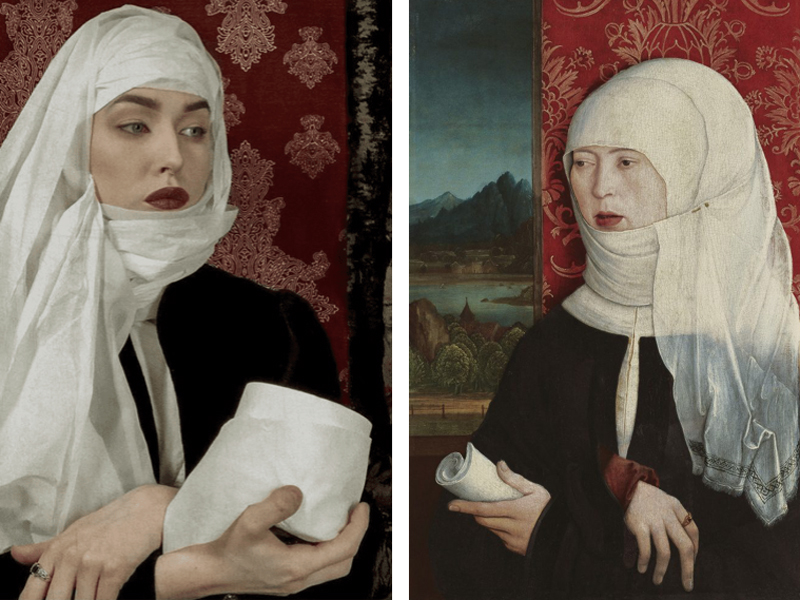
The Oregonian review of "Suddenly" at the Douglas F. Cooley Memorial Art Gallery.
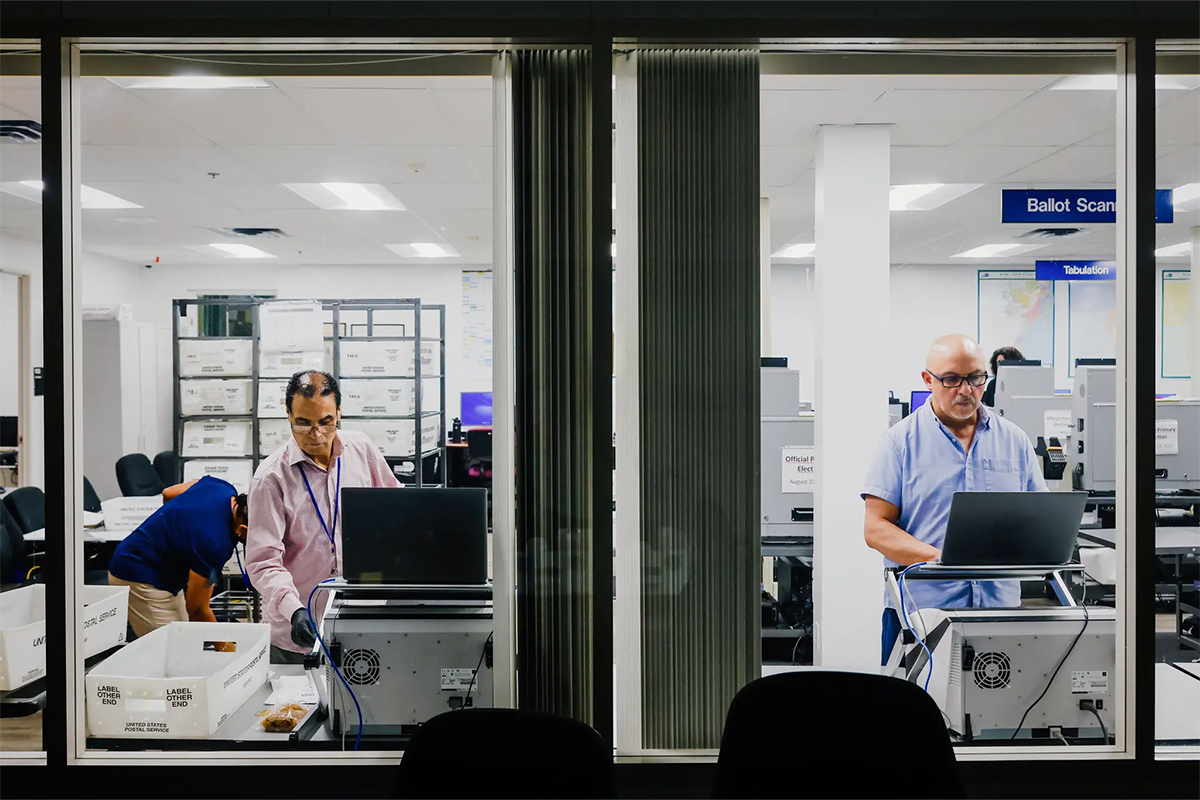
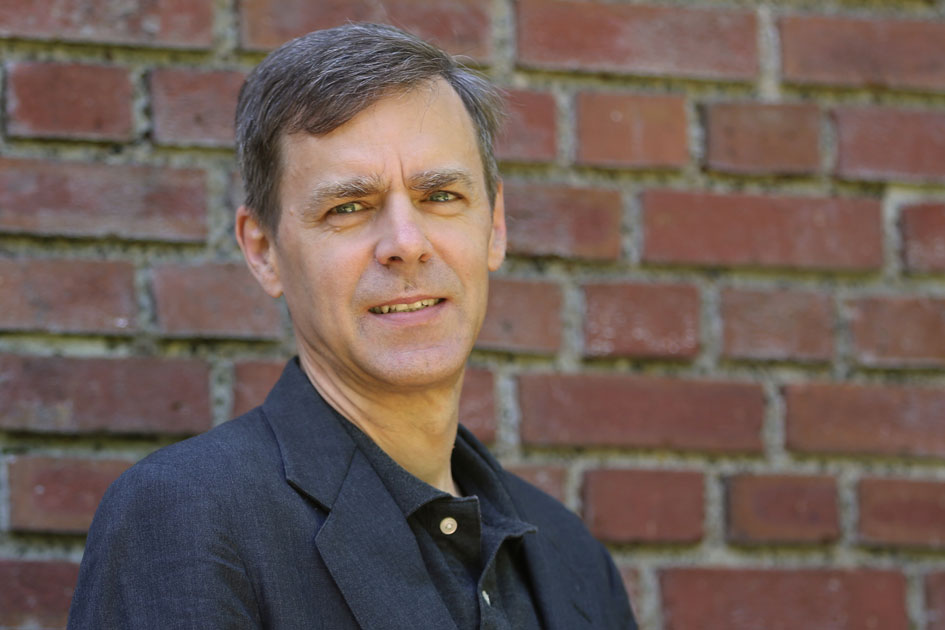
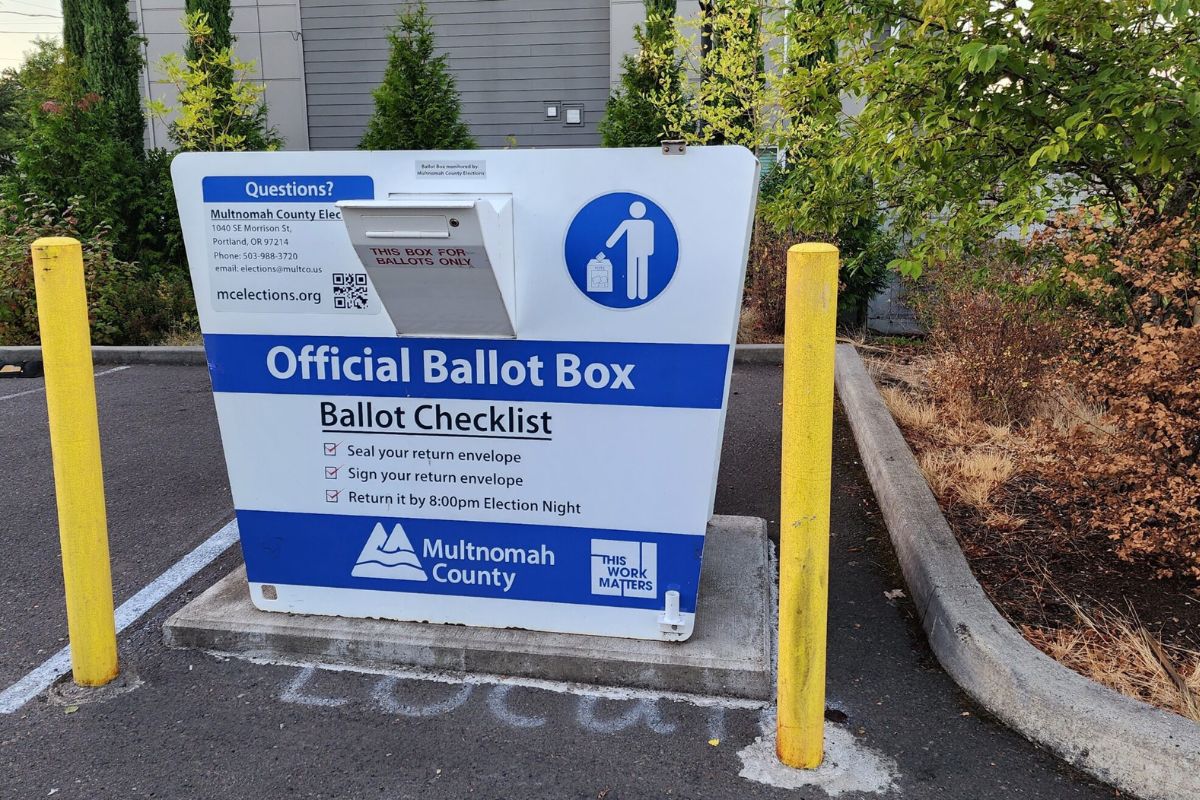
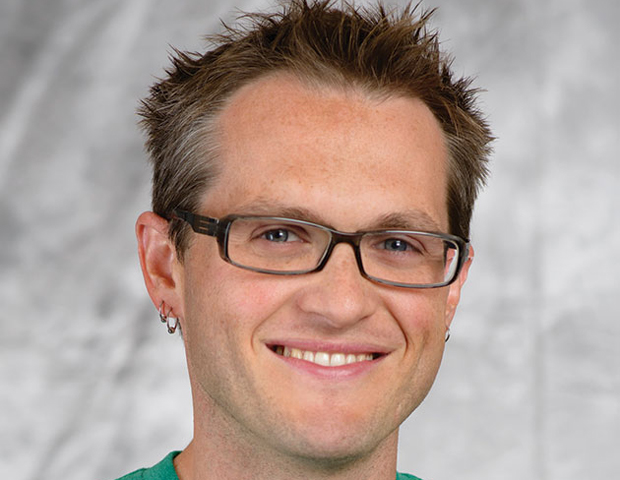
Early Voting has become a hot topic on the Presidential campaign trail, and Reed’s Paul Gronke is a leading expert in the field: read Paul’s latest contribution on CNNPolitics.com.
Oregon Council for the Humanities magazine features its Humanity in Perspective course. The course is taught by Reed professors, and helps low-income adults use the humanities to improve their lives.
Boston’s WBUR topical issues show, Here and Now, features Reed professor of political science Paul Gronke on the popularity of early voting.
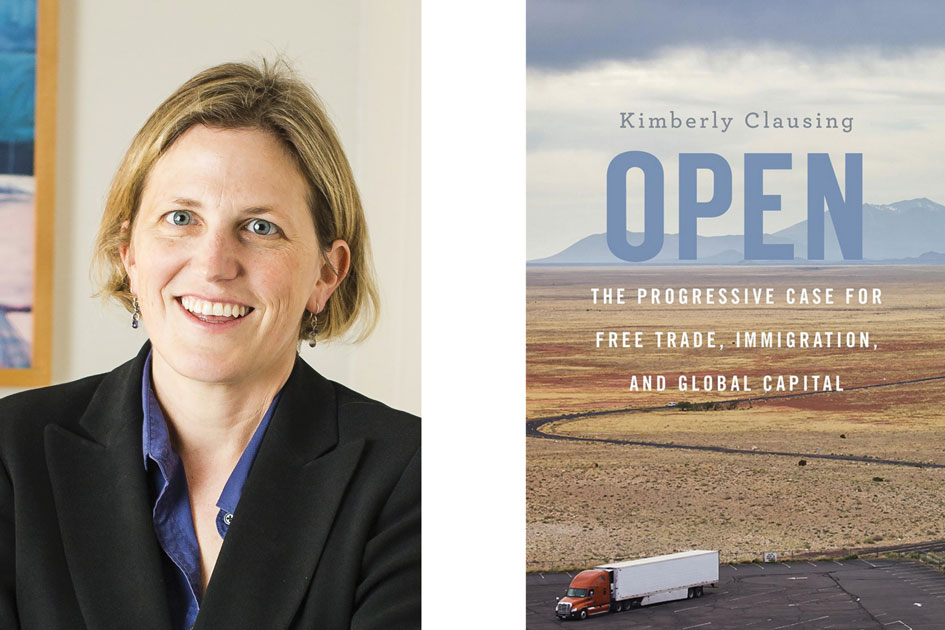
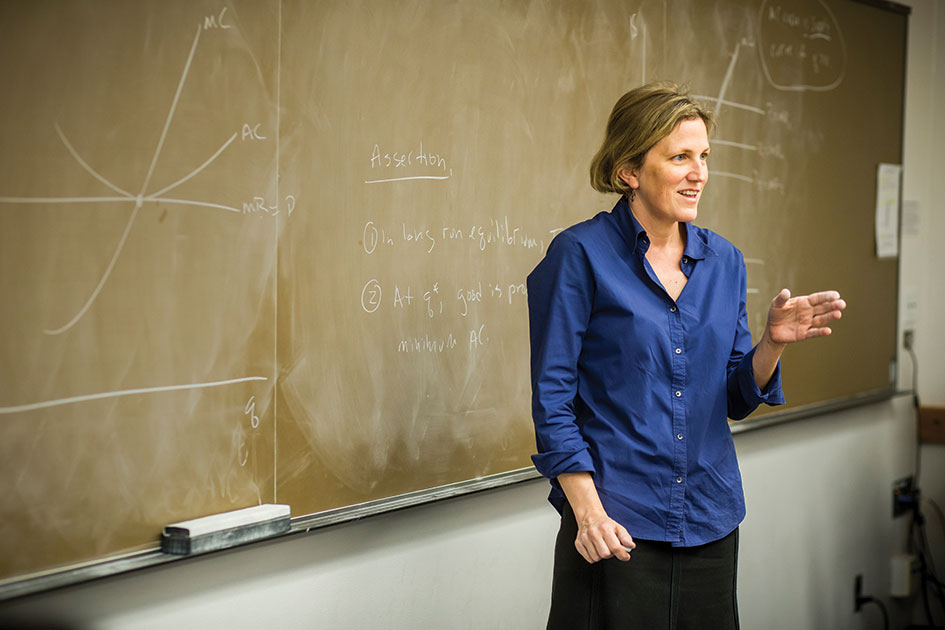
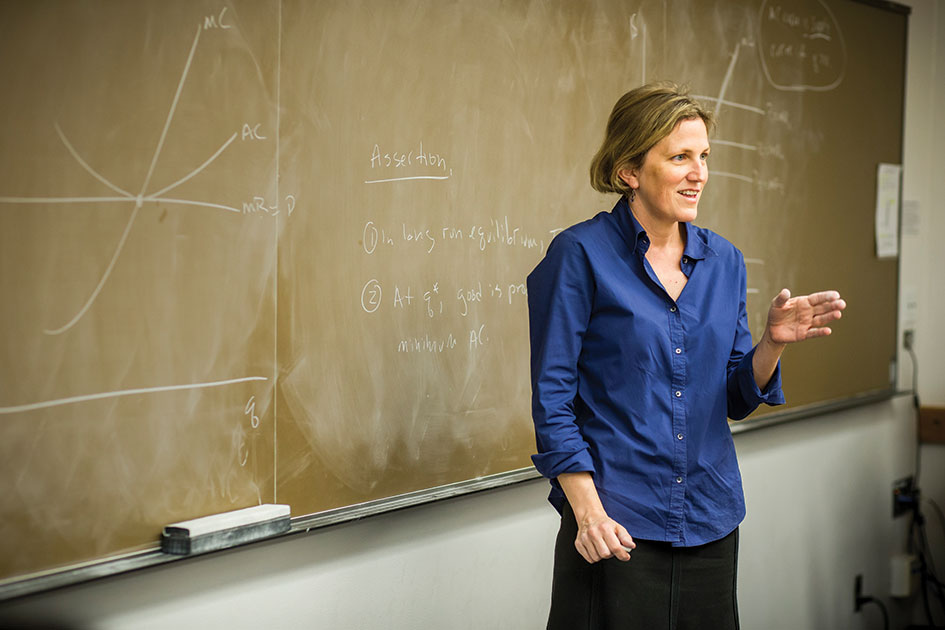
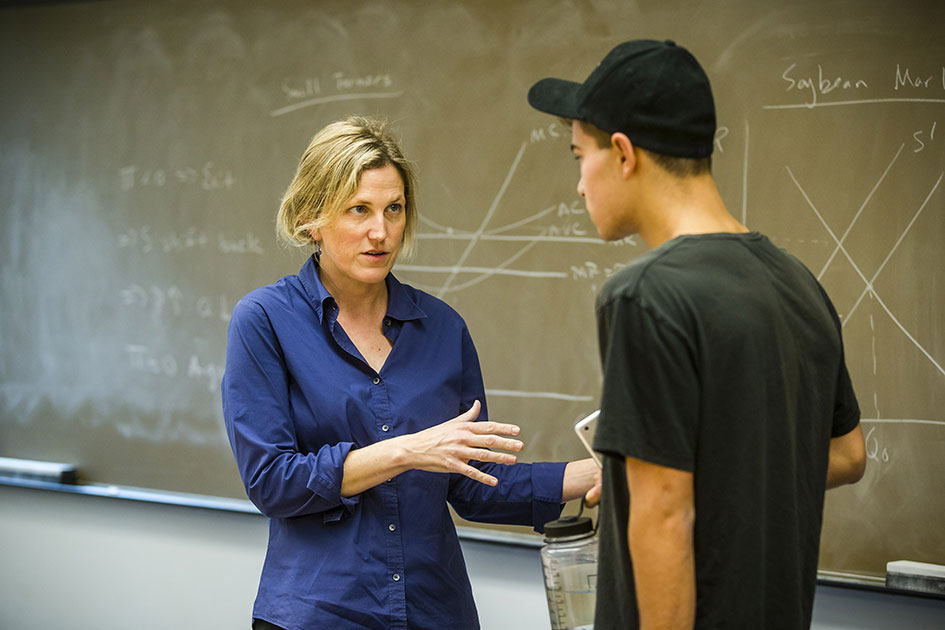
Kimberly Clausing, Reed professor of economics, on how Wall Street's meltdown will impact the folks of Main Street on Marketplace.
Paul Gronke, Reed professor of political science, on early voting in the UK's The Guardian.
Reed dean of admission Paul Marthers on OPB’s Think Out Loud to discuss the rising cost of a college education.
Paul Gronke, Reed professor of political science, is quoted in the New York Times on the influence of early voting on campaign strategy in the presidential election.
The Oregonian on the City of Portland’s decision to include the Parker House in Reed’s amended master plan.
The Oregonian profiles "suddenly: where we live now" at the Douglas F. Cooley Memorial Art Gallery.
Ellen Millender, Reed associate professor of classics, shares her thoughts on the use of technology in the classroom for a New York Times article.
Paul Gronke, Reed professor of political science, and Reed’s Early Voting Information Center are part of a USA Today story on the upcoming presidential election.
Jeffrey A. Parker, Reed professor of economics, and Paul Marthers, Reed dean of admission, examine faculty pay equity at small liberal arts colleges for Academe.
Reed Dean of the Faculty Peter Steinberger appears on OPB's Think Out Loud to discuss Reed’s drug and alcohol policy.
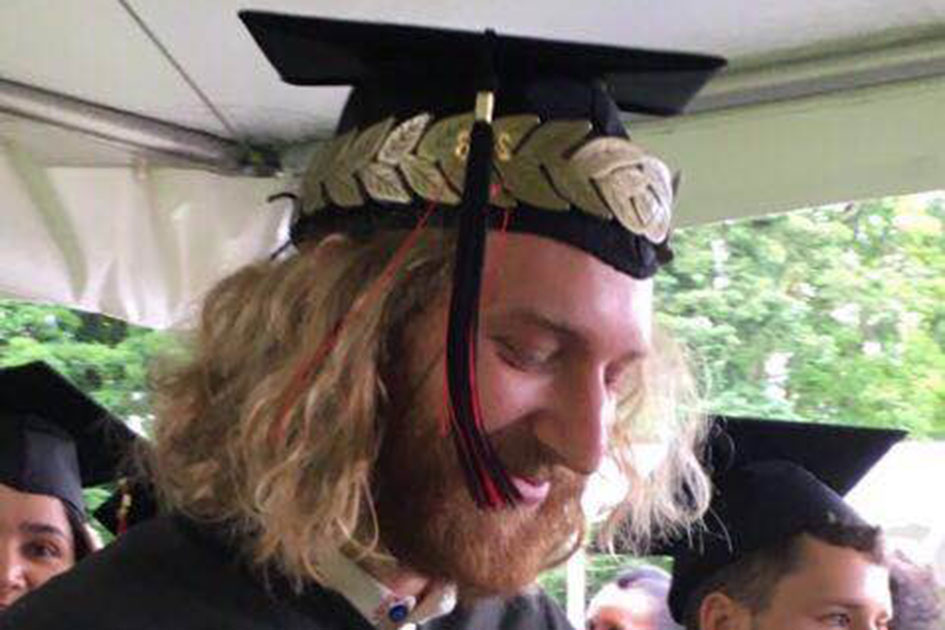
2008 Reed graduate Lukas Strickland is featured in the Oregonian for being a recipient of a Thomas J. Watson Fellowship travel grant.
The Oregonian reviews Jess, an exhibition at Reed's Douglas F. Cooley Memorial Art Gallery.
Marat Grinberg, Reed Russian literature professor, comments in the New York Review of Books on the "problem of evil" in postwar Europe.
Brian Kassof, Reed visiting assistant professor of history and humanities, contributes to an OPB story on the origins of May Day.
Former President Bill Clinton responds on ABC News to the questioning of Hilary Clinton's campaign strategy by Paul Gronke, Reed political science professor.
Read more media stories.
News Center
Media Advisory
Joel Beinin to lecture at Reed College
WHAT |
Joel Beinin, professor of Middle East History at Stanford
University, will lecture on “The Politics of Knowledge and Belief
about Contemporary Iraq.â€
|
| |
WHEN | 4:30 p.m., Thursday, February 16 |
| |
WHERE | Psychology Auditorium, Room 105, Reed College |
| |
COST | Free and open to the public |
| |
CONTACT | For more information, the public is asked to visit the Reed events website at events.reed.edu, call the Reed events line at 503/777-7755, or contact Reed associate professor of anthropology Paul Silverstein at 503/517-7606. |
Joel Beinin is professor of Middle East History at Stanford
University. In 2002, he served as president of the Middle East
Studies Association of North America. Beinin’s research focuses
primarily on modern social histories of Egypt, Israel, and
Palestine, and his published work includes
Workers and Peasants
in the Modern Middle East (Cambridge University Press, 2001)
and
The Dispersion of Egyptian Jewry: Culture, Politics, and the
Formation of a Modern Diaspora (University of California Press,
1998). Beinin received his Ph.D. from the University of Michigan in
1982.
The lecture is sponsored by Reed’s anthropology department.
###
Reed College
Reed College, in Portland, Oregon, is an undergraduate institution of the liberal arts and sciences dedicated to sustaining the highest intellectual standards in the country. With an enrollment of about 1,360 students, Reed ranks third in the undergraduate origins of Ph.D.s in the United States and second in the number of Rhodes Scholars from a liberal arts college (31 since 1915). For more information, visit web.reed.edu.
Back to Top